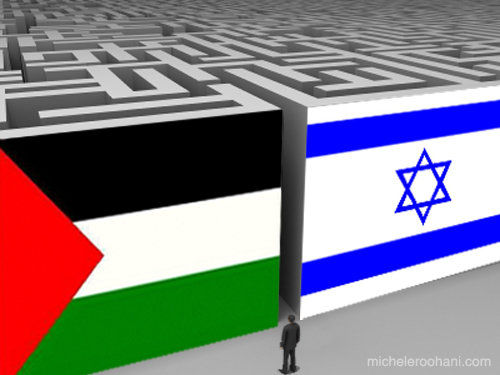
דו-לאומיות בפלסטין-ישראל: בחירה פלסטינית היסטורית - לא בלית ברירה
מאת: נאסר אבו-פרחה
Ynet
23 באוגוסט 2005
תרגום מאנגלית: דורית אליהו
כתבה זו הופיעה ב`שואון טאנמאווייה` (כתב עת לענייני פיתוח), יולי 2005, מס` 31, פורום מחשבה ערבית, ירושלים
תהליך השלום` של אוסלו, מסתבר, הביא יותר אלימות מאשר שלום. למעשה, מקושר תהליך זה לעימותים האלימים ביותר בין פלסטינים לישראלים בהסטוריה בת מאה השנים של העימות. הדיבורים הנשמעים לאחרונה על חידוש `תהליך השלום` מבוססים כנראה על אותן הנחות שעליהן התבססו התהליכים הקודמים בשנות ה-90, תוך התעלמות מוחלטת מן הלקחים שנלמדו ממרתון אוסלו. ההסלמה האחרונה של העימות הישראלי-פלסטיני מטילה ספק בקשר לדרך בה ייפתר העימות. עם זאת, ככל שמסלים העימות, גדל גם הצורך בפתרון.
מאז הצעתי לראשונה, בשנת 2001, את `האג`נדה הפלסטינית החלופית` (APA) מוקדשת תשומת לב רבה לרעיון הדו-לאומיות. אג`נדה זו הציעה איחוד פדרלי של פלסטין-ישראל עם בירה משותפת בירושלים. ההצעה זכתה להתענינות רבה באופן כללי ולתמיכה רבה יותר בצד הפלסטיני מאשר בצד הישראלי. היא זכתה, בין היתר, לתמיכתו של ד`ר חיידר עבד-אל-שאפי - אחד האישים הפלסטינים הבולטים, היתה נושא לדיון מפורט בסדנת האסטרטגיה הפלסטינית במדיסון, ויסקונסין בנובמבר 2002, שאליה באו אינטלקטואלים ומנהיגים פלסטינים מפלסטין ומהגולה. היוזמה הוצגה ונדונה בפורומים שונים בקמפוסים ברחבי ארצות הברית, כולל סימפוזיון בכנס של העמותה ללימודי המזרח התיכון (MESA) בשנת 2004 בסן פרנסיסקו. היוזמה הוצגה ונדונה גם בפורומים פלסטינים וישראלים משותפים ונפרדים בירושלים, החברה האקדמית הפלסטינית לנושאים בינ`ל (PASSIA) אירגנה סימפוזיון במכון המחקר ע`ש טרומן באוניברסיטה העברית, ובכנס ארגוני שלום ישראליים בירושלים. עתה, לאחר 4 שנים של דיון, ראוי לבדוק מחדש את רעיון הדו-לאומיות, לדון בכמה מהחששות שהועלו בדיונים הרבים, ולהגיב על כמה מהתפיסות השגויות של הרעיון והשימוש הבלתי הולם שנעשה בו מצד אלה ואחרים.
כשלון `תהליך השלום`
כדי לבחון את הדרכים שבהן ניתן יהיה להשיג פתרון לסכסוך יש להבין קודם כל איך והיכן נכשל `תהליך השלום` של אוסלו. למרות הטענות כי תהליך השלום קרס בגלל שאלת ירושלים, מצביעות העדויות על כך שהתהליך קרס בגלל שאלת זכות השיבה הפלסטינית. לקראת השלבים האחרונים של המו`מ בין הפלסטינים לישראלים, בין 1998 ל- 2000, דנו עשרות קבוצות דיון פלסטיניות בפלסטין, לבנון, סוריה, ירדן, אירופה וצפון אמריקה, בזכות השיבה הפלסטינית. ההתנגדות הפלסטינית ל`תהליך השלום` של אוסלו שהתעלם מזכות השיבה ופנה עורף למעשה אל הפלסטינים הגולים (ולפלסטינים בתוך ישראל), החלה כתגובה ישירה להסכם אוסלו ב- 1993. תנועה זו התחזקה והתפשטה באופן נרחב לאחר יום ציון הנכבה ויום העצמאות ה-50 של מדינת ישראל בשנת 1998. ארוע זה שימש כשעון מעורר לפלסטינים. בפעם הראשונה אירגנו פליטים פלסטינים מסעי שיבה סמליים לאתרי הכפרים ההרוסים. מספר אירועים כאלה נערכו בגדה המערבית ובתוך ישראל, כמו המסע מהכפר קאבול לאתר הכפר ההרוס דאמון. אירועים אחרים כללו פגישות של נוער ממחנות הפליטים בגדר הגבול עם לבנון. צעירים ממחנות הפליטים סאברה ושתילה בלבנון נפגשו עם צעירים מהמחנות עאידה ודהיישה שליד בית לחם. כנסים גדולים על זכות השיבה נערכו. כנס אל-פראח בפלסטין, ואחרים בירדן, לבנון, בריטניה וארה`ב, כולם בשנת 1998, שנת ה-50 לנכבה. למעשה, התרכזה עיקר הפעילות הפלסטינית בנושא זכות השיבה.
תנועה זו ארגנה אירועים נוספים ועוררה ויכוח ער בקרב פלסטינים ברחבי העולם על זכות השיבה. במהלך השנתיים לקראת לשלב הסופי של המו`מ בקמפ דייויד בקיץ 2000, הפעילה דינמיקה זו לחץ על המנהיגות הפלסטינית. לחץ זה מנע מן המנהיגות כל אפשרות לחתום על הסכם שאינו לא לוקח בחשבון את זכות השיבה. הכרת אש`ף בישראל והסכמה להקמת מדינה פלסטינית בגדה המערבית ובעזה ע`י ישראל, טמנה בחובה הבנה מרומזת כי אש`ף מוותר על זכות השיבה. עם התקדמות התהליך הבינו המנהיגים הפלסטינים כי לא יוכלו להסכים לסיום העימות מבלי לטפל בזכויות הפליטים הפלסטינים - צעד כזה יביא לדה-לגיטימציה שלהם. מצד שני, אי אפשר היה לדון בזכות השיבה בשלב מאוחר כל כך של המשא ומתן. לכן היה נוח יותר למנהיגות הפלסטינית להציג את ירושלים כסיבה להתמוטטות התהליך. ראשית, הצגת בעית ירושלים כסיבת כשלון המו`מ מכסה את העובדה שמלכתחילה התעלם התהליך מזכויות הפליטים ומזכות השיבה באופן כללי. שנית, ירושלים כסיבת כשלון התהליך ולא זכות השיבה מביאה למנהיגות הפלסטינית יותר אהדה ממשטרים ערביים.
ההיבט המאיים ביותר של תהליך אוסלו, ככל הנוגע לפלסטינים, הוא שהתהליך מנסה לנתק באופן סופי את הפלסטינים מאדמתם ההיסטורית שעכשיו היא חלק מישראל, ושאליה הם קשורים מבחינה תרבותית בדרכים רבות. יתר על כן, תהליך זה משלים עם חלוקה טריטוריאלית רבה עוד יותר ולאינקפסולציה של קהילות פלסטיניות באיזורים גיאוגרפיים נפרדים בתוך הגדה המערבית. עבור הפלסטינים אין פלסטין אוסף של נכסים אבודים אלא החזון של איחוד הזהות הפלסטינית עם האדמה ועם ההסטוריה של העם הפלסטיני. זהו מרחב שבו נטמעים מנהגים תרבותיים וחברתיים, ושהזהות הפלסטינית מושרשת בו עמוקות. מומחים לנוף מסכימים כי מקום מהווה צורה בסיסית של נסיון מוכל בחיי אנוש. זהו המקום שבו מתרחש איחוד העצמי, המקום והזמן. הקשר של הפלסטינים למולדתם כדבר שלם ושורשיות מתמשכת בה הם האלמנט הבסיסי של בניית הזהות הפלסטינית. לפיכך, אם יימשך תהליך השלום כמו הסכם אוסלו, תוך התמקדות בהפרדה והתעלמות מזכות השיבה, ימשיך התהליך לייצר יותר אלימות מאשר שלום.
למרות שהפרדה בין קבוצות הנתונות בעימותים אלימים נראית כפתרון פרגמטי והגיוני - נכשל נסיון זה כאשר הוא קשור למקור העימות - קרי, התחרות על אותו חבל ארץ. הפלסטינים רואים את הניתוק לא כהפרדה מהישראלים, אלא כהפרדה של הפלסטינים מפלסטין והוצאתם ממנה. לפלסטינים יש תחושה חזקה של שורשיות באדמה, שורשיות שבאה לידי ביטוי בכל ענפי התרבות והאמנות הפלסטינים. יתרה מכך, הניתוק מגביר את תחושת השורשיות, ולא מחלישה, גם בקרב קהילות גולים. נסיונות מתמשכים להגיע להפרדה ולניתוק עוד מגבירים את ההתנגדות כדרך להביע הכחשה וקיום, עקירה ושורשיות.
החסרונות של פתרון שתי המדינות
השיח הנוכחי בעימות הישראלי-פלסטיני כפי שהוא מיוצג בפתרון שתי המדינות מסיט את תשומת הלב מהנושאים העיקריים. בצד הישראלי, הנושא העיקרי של העימות בצד הישראלי היה ונשאר האתגר של בנית מדינה ליהודים בלבד בפלסטין. בצד הפלסטיני לעומתו שרירה וקיימת תפיסת הישראלים כנוכחות קולוניאלית זרה בפלסטין. תוצאת ההתנגשות בין שתי תפיסות מנוגדות אלו היא מעגלים של מלחמה ואלימות מהווים איום רציני לבטחון שני העמים המעורבים בעימות. התפיסה של מדינה ליהודים בלבד מצריכה ומייצרת אמצעי אפלייה כנגד התושבים הלא-יהודים של המדינה, הפלסטינים. לעומת זאת מצריכה התפיסה המתמשכת של הישראלים כנוכחות קולוניאלית זרה - תוכניות לאומיות המיועדות להוציא את הישראלים מפלסטין.
השיח הנוכחי מתמקד בנסיונות להקים שתי מדינות נפרדות שיחיו דו-קיום בין ישראלים לפלסטינים, אך ממשיך להכשל משום שהוא עוקף ונמנע מדיון בנושאים העיקריים ובסתירה שביניהם. לדעתי תיכשל תוכנית שתי המדינות העצמאיות הנפרדות משום שהיא מתבססת על הנחות שקריות. המצדדים בה מניחים כי הרעיון של הוצאת הפלסטינים ממה שעכשיו הוא ישראל עבר נורמליזציה וכעת הוא מקובל על הפלסטינים וכן כי הפלסטינים ושאר ערביי האזור השלימו עם עובדת הנוכחות הישראלית ועם הזכויות הקולקטיביות של הישראלים לביטוי תרבותי בישראל. המציאות בשטח היא ההיפך הגמור. מרבית הפלסטינים לא ויתרו על זכותם על פלסטין ההיסטורית למרות שרוב הפלסטינים בגדה המערבית ובעזה עשויים לתמוך במדינה פלסטינית באזורים אלה. תמיכה כזו לא בהכרח מצביעה על ויתור על קשר תרבותי והיסטורי למה שעשוי להשאר כישראל, ולזכותם לרכוש וזכויות פוליטיות שם. גם העולם הערבי ככלל לא השלים עם נוכחותה של ישראל באיזור. דיון כזה כלל לא החל כלל, וככל הנראה יהיה קשה להתחיל בו כאשר העימות ממשיך ומתגבר. תנועה לעבר פיוס לפני מציאת פתרון תהיה בלי ספק משימה קשה להשגה.
החיוניות של אופציית שתי המדינות מוטלת בספק בשל סיבות רבות אחרות. ראשית, הסידורים לשתי מדינות נפרדות עשויים להוות מתכון למלחמה מתמשכת שכן המדינה הפלסטינית החדשה תהיה מוקפת ע`י ישראל ותמשיך להיות מטרה לאיום מצד הצבא הישראלי החזק יותר. שנית, ההתעלמות מתביעותיהם הכלכליות, החברתיות והתרבותיות של מליוני פלסטינים שיאכלסו את מדינת פלסטין והמופנות לעבר מדינת ישראל. חשוב גם לציין כי הפלסטינים בגדה המערבית ובעזה מייצגים רק שליש מהאוכלוסיה הפלסטינית. סבלם שלהם יגיע לקיצו עם סיום הכיבוש הצבאי, אך סיום הכיבוש הצבאי בגדה המערבית ובעזה איננו סיום העימות. מצוקת הגולה הפלסטינית, המשבר הדמוגרפי בעזה וזכויות הפלסטינים בישראל לא יגיעו לכלל דיון. יתרה מכך, פתרון שתי המדינות אינו מתחשב בזכותם של הפלסטינים שלא להיות מוצאים ממולדתם ההיסטורית במה שיישאר ישראל. בקצרה, חולשתו של פתרון שתי המדינות בכך שהוא לא יוכל לענות באופן משביע רצון על זכות השיבה של הפלסטינים ועל כן אני מטיל בספק את יכולתה של אופציה כזו להביא לפתרון לסכסוך.
הצעת ה-APA לדו-לאומיות בפלסטין-ישראל
מה שהצגתי בהצעת האג`נדה הפלסטינית האלטרנטיבית (APA) הוא שבירת המוסכמה הנוכחית הקוראת להקמת מדינה פלסטינית בגדה המערבית ובעזה. מדינה פלסטינית כזו לא תוכל לפתור את הסכסוך. הצעת ה-APA מבוססת על ההנחה שפתרון בר קיימא לסכסוך יהיה חייב להתחשב בהקשר ההיסטורי שלו, לזהות את המציאות הנוכחית ולעסוק בחרדותיהם של הפלסטינים והישראלים כאחד. הצעת ה-APA תוכננה לענות באופן מקיף על החרדות העיקריות של הישראלים ושל הפלסטינים ולהביא לשיוויון ולנרמול היחסים ביניהם.
המציאות הנוכחית מראה כי הישראלים והפלסטינים אינם נפרדים ואינם ניתנים להפרדה. לפיכך הצעתי שתי מדינות המאוחדות פדרלית. המדינות הללו ישקפו את התפוצה הדמוגרפית הנוכחית ואת צפיפות האוכלוסיה בשטח. המדינה הישראלית תכלול איזורים המיושבים כעת בישראלים יהודים. המדינה הפלסטינית תכלול איזורים המאוכלסים בעיקר ע`י פלסטינים כמו גם איזורים דלי אוכלוסין אשר יוכלו לקלוט פלסטינים שבים. ירושלים, מזרח ומערב, יחד עם פרברי העיר והעיר בית לחם, תהיה אזור שיפוט נפרד שאינו תלוי באף אחת משתי המדינות, ותהווה את מחוז הבירה של האיחוד הפדרלי. לכל מדינה יהיה הפרלמנט שלה, ממשלה, מערכת משפט, כח משטרה, מערכת חינוך שפה, דגל וחגים לאומיים. למחוז ירושלים תהיה מועצה מחוזית המייצגת את תושבי המחוז, והמנהלת את ענייני המחוז וכח משטרה משלו. לאיחוד הפדרלי יהיה מינהל מבצע שיתאם היבטים בעלי עניין משותף לשתי המדינות כמו בטחון חוץ בעזרת צבא מאוחד ובטחון פנים ע`י תיאום בין מערכות הבטחון של כל מדינה, יחסים אתנו-לאומיים בין שתי המדינות חלוקה הוגנת של המשאבים.
מטרת ההצעה היא לענות לשאיפות הלאומיות של הפלסטינים והישראלים ביחס לזהות ולביטוי תרבותי ע`י מתן אפשרות לקיום שתי מדינות. האיחוד הפדרלי יאפשר לשתיהן להישאר יחד במקום שהם קוראים לו בית, ויאפשר לשני העמים גישה לכל שטחי מולדתם, כך שיוכלו לבטא את שורשיהם ההסטוריים. לפלסטינים תהיה זכות לחזור ולבסס את חייהם בערים הסטוריות כמו עכו, חיפה ויפו, בהתאם להליכים מסויימים. בתהליך הבניה ומו`מ בנושאי הסכסוך בין הפלסטינים לישראלים ויצירת מדיומים חדשים לתיווך בין הכללה לשורשיות, יוולדו תחזיות חדשות ליחסים בין ישראלים לפלסטינים במקום החדש של ישראל-פלסטין. מו`מ יכול לשאת פרי רק אם הוא מבוסס על ההכרה בזכותו של האחר. העברת התיווך מצורתו האלימה לצורה התרבותית הלא-אלימה היא בעצם הפתרון. טרנספורמציה כזו מהווה את הערבויות הביטחוניות האמיתיות שעליהן יכולים שני העמים לסמוך באמת.
השגות עיקריות בקשר לדו-לאומיות
במהלך 4 שנים של הצגות ודיונים בנושאים אלה במסגרות שונות, צצו מספר השגות מצד פלסטינים ומצד ישראלים. ההשגות העיקריות בקשר לגישת `איחוד ולא הפרדה` כפתרון, ניתנות לסיכום במספר נקודות. החששות העיקריים בצד הישראלי היו:
א) סכנה לדילול הזהות היהודית בהסדר פדרלי;
ב) הטלת ספק בחיוניות של איחוד זהות יהודית, שהיא יותר מערבית, עם זו הפלסטינית, שהיא יותר ים-תיכונית;
ג) החשש שמולדת משותפת בקונפיגורציה פדרלית תמנע מישראל להיות בית ליהודי העולם ולא תוכל לשמש מקלט ליהודים במקרה של רדיפות בארצות אחרות בעולם.
החששות העיקריים בצד הפלסטיני היו:
א) אין די ישראלים שיסכימו לאפשרות דמוקרטית כזו, ועל הפלסטינים למצוא אפשרויות מציאותיות יותר לטווח הקצר;
ב) ההבדלים הכלכליים בין פלסטינים לישראלים ימשיכו לדחוק את הפלסטינים לשוליים וישאירו אותם פגיעים לשליטה מדינית וניצול כלכלי מצד הכלכלה הישראלית החזקה יותר.
חששות הישראלים
סכנת הדילול של הזהות היהודית.
סכנת הדילול של הזהות היהודית של המדינה תהיה גדולה יותר בנסיבות הנוכחיות מאשר תחת הסדר דו לאומי, לפחות כפי שהוא מוצע בהצעת ה-APA. כיום, שולטת מדינת ישראל על כל השטחים של פלסטין ההסטורית, וכוללת 5.5 מליון פלסטינים בשטחה. כ-1.3 מליון מהם הם אזרחים ישראלים, וקרויים ע`י המדינה `ערבים ישראלים`, והשאר הם פלסטינים תחת כיבוש. כך, סך הפלסטינים בתוך גבולות ישראל גדול מעט מהאוכלוסיה היהודית באותו השטח. הדרך היחידה להבטיח מדינה יהודית בתנאים דמוגרפיים כאלה היא ע`י שימור מדיניות האפרטהייד כנגד הפלסטינים. מציאות זו מייצגת את המקור העיקרי לסכסוך כעת במדינה היהודית הנממצאת במערך רב-אתני. מדיניותה של מדינת ישראל עונה על האינטרסים של תושביה היהודים ועל האינטרסים של קהילות יהודיות מחוץ לגבולות ישראל, על חשבון התושבים הלא-יהודים שבתוך גבולות המדינה. המשך המצב הזה ימשיך להשחית את ישראל ולהעמיק עוד את הסכסוך עם האוכלוסיה הפלסטינית וימנע תחושה של יציבות. תחת ההסדר הדו לאומי תיפטר ישראל מהאוכלוסיה הפלסטינית הכבושה בגדה המערבית ובעזה, אך עדיין תשמור את 1.3 מליון הפלסטינים בישראל. לאוכלוסיה פלסטינית זו בישראל שיעור ילודה גבוה יותר מאשר היהודים הישראלים. לפיכך גם כאשר תוותר ישראל על הגדה המערבית ועל עזה לטובת מדינה פלסטינית, עדיין תהיה נתונה ללחץ גובר מצד אזרחיה הפלסטינים, לבנות עצמה מחדש כמדינה דו לאומית בכדי לאפשר אוטונומיה פלסטינית מדינית ותרבותית אפילו בתוך גבולות 67. אבל תחת הסדר הדו-לאומיות כפי שהוא מוצג בהצעת ה-APA יהפכו יותר מ-5 מליון פלסטינים לחלק ממדינה פלסטינית ויעזבו את ישראל עם התפוצה הדמוגרפית של רוב יהודי, מה שעושה את קיום המדינה היהודית לאפשרי מבלי לסתור ייצוג דמוקרטי.
חששות בקשר לזהות.
חלק מהישראלים מטילים ספק באפשרות של איחוד זהות יהודית, מערבית ברובה, עם זו הפלסטינית הים-תיכונית. תנאים אלה אינם ייחודיים לפלסטין-ישראל, שכן קוסמופוליטיזם ורב תרבותיות מאפיינים מדינות שונות ברחבי העולם. גם ארצות מערביות צריכות להתמודד עם מצבים כאלה ולהגיב אליהם גם אם במקרים מסויימים מדובר בקהילות מהגרים אתניות. במקרה של פלסטין-ישראל, המהגר הוא הזהות היהודית השלטת במדינה הגמונית השולטת באוכלוסיה המקומית. אך הרעיון של דו-לאומיות אינו מיועד ליצור זהות דו-לאומית חדשה, אלא לבנות מערכת פוליטית שתבטיח זכויות לאדמה, ואוטונומיה מדינית ותרבותית לשתי זהויות לאומיות שונות המתחרות על נוכחות באותו שטח. אחזור לדון בנקודה זו בחלק הבא שבו אני דן בתפישות שגויות של תכנית הדו-לאום ובהבדלים בינה לבין תוכנית `מדינה אחת`. ההסדר הדו-לאומי יכול לספק מקום לביטוי הזהות של כל מדינה בשטחה, וכן גישה לכל המערכות המדיניות והכלכליות של הארץ כולה. המבנה הדו-לאומי קשור יותר לאיחוד מדיני וכלכלי ופחות לאיחוד תרבותי. האיחוד המדיני עצמו מאפשר רבגוניות תרבותית באותו שטח במקום הגמוניה תרבותית של מדינה אחת שמייצגת את הזהות הפוליטית הדומיננטית.
ישראל כבית ליהודי העולם.
החשש שמולדת משותפת בקונפיגורציה פדרלית תשלול מישראל את האפשרות להיות בית ליהודי העולם עלתה במהלך הדיונים עם קהילות יהודיות בארה`ב. החשש הוא שישראל לא תוכל להיות מקלט ליהודים שעלולים להוות מטרה לרדיפות בארצות אחרות ברחבי העולם. לדעתי, צריך הדיון על בטחון היהודים לאזן את הנכונות והיכולת של ישראל להגיב לאיומים בטחוניים פוטנציאליים לקהילות יהודיות בחו`ל עם היכולת של ישראל לייצב את האיזור שבו היא ממוקמת ולספק ביטחון וחיים נורמליים לאוכלוסיה היהודית שבה. יש לחשוב גם על הבטחון לישראלים. במלים אחרות, יש לשקול מחדש אם אין יהודי ישראל זכאים להתחשבות רבה יותר בצרכי בטחונם מאשר יהודים אזרחי מדינות אחרות משום שהם חיים כאן. למרות שהצעתי קוראת להחלפת חוק זכות השיבה בחוק הגירה שיתאים לכל מועמד הגירה בלי קשר לדת או רקע אתני, סבורני שיש פוטנציאל רב לחשיבה יצירתית אשר תטפל בדאגות מסוג זה. רעיון אחד הוא לתת לישראל הנמצאת תחת איחוד פדרלי זכות להגיב ולסייע לקהילות יהודיות בחו`ל במקרים שבהם הן נופלות קורבן לאפלייה וקיים איום על בטחונם, כולל מתן מקלט. ישנן דרכים רבות שבהן ניתן להמשיך את הקשר בין ישראל ליהודי העולם, אך אי אפשר לשמור על קשר כזה רק בעזרת הפיכת המדינה למדינה בלעדית ליהודים, שכן זו אינה המציאות, זו רק מדיניות המובילה לעימות.
חששות הפלסטינים
הפלסטינים חוששים בעיקר מהתנגדות ישראלית להצעת האיחוד הפדרלי. גם אני חושש מכך. הגישות המדיניות הנוכחיות משקפות, לדעתי (לפחות בחלקן) תוכניות מדיניות נוכחיות. ככל שהתוכנית הדו-לאומית תתקבל על ידי יותר פלסטינים, ייאלצו יותר ישראלים להתיחס אליה. יש, לדעתי, אחוז ניכר של ישראלים המחפשים הסדר מדיני משביע רצון עם הפלסטינים. ולא מדובר דוקא על תומכים של `תהליך השלום` כתהליך שמזין את עצמו וכדרך לנהל את הסכסוך, אלא דווקא על אלה התומכים במדינה ריבונית פלסטינית בגדה המערבית ובעזה. מיעוט של 34% בקרב הישראלים תומכים במדינה פלסטינית בגדה המערבית ובעזה, לפי סקר שנערך ע`י מרכז אל-מדר ברמאללה. מתוך מיעוט זה, יש התומכים באופציה זו מתוך עניין אמיתי בפתרון בכדי לסיים את הסכסוך. למרות שאופציה זו ממשיכה להכשל, הם סבורים שהוא הפתרון הנכון. זה, לדעתם הוא האופציה של שתי מדינות, למרות שהיא ממשיכה להיכשל. יש קהילה הולכת וגדלה של ישראלים צעירים – צברים – אלה שנולדו וגדלו בישראל, שעבורם ההשלמה עם הפלסטינים נמצאת בעדיפות עליונה. בקצרה, האופציה הדו-לאומית מספקת לפלסטינים מה שהם מחכים לו – מדינה וזכות שיבה – יותר ממה שאופצית שתי המדינות יכולה להציע להם ולכן בלי ספק יתמכו בה. ככל שיגדל מספר הפלסטינים התומכים בה כן יתמכו בה יותר ויותר ישראלים המעוניינים בפתרון. האופציה הדו לאומית מייצגת את הפתרון היחיד שמכיר בקיום ישראל בפלסטין לעומת אופציית שתי המדינות הדוחקת את הפלסטינים מאדמתם עקב עליונות צבאית של ישראל, ולא מתוך הכרה בזכות ישראל להתקיים בפלסטין. לפיכך, עונה האופציה הדו-לאומית על האינטרסים של שני הצדדים.
פערים כלכליים בין פלסטינים לישראלים.
סוגיה זו מתייחסת לחשש הפלסטיני שהפערים הכלכליים הקיימים בין פלסטינים לישראלים ימשיכו לדחוק את הפלסטינים לשוליים וישאירו אותם פגיעים לעליונות מדינית ישראלית וניצול ותלות בכלכלה הישראלית החזקה יותר. ראשית, הפערים הללו הם עובדה קיימת גם במצב הנוכחי וניתן לדון בהם במסגרת הכללית של תוכנית הפתרון וההשלמה. שנית, פערים אלה הם תוצר לוואי של עשרות שנות כיבוש. אין להניח שהפלסטינים לא יוכלו להתחרות כלכלית אם לא יזרקו לשוליים מבחינה מדינית. במסגרת המדינה הדו-לאומית, יקבלו הפלסטינים גישה שווה למשאבי המדינה ולשווקים הבינ`ל. שלישית, עצמאות מדינית מוחלטת במדינה קטנה ומפורדת בגדה המערבית ובעזה, כאשר רוב דרכי המסחר עוברות דרך ישראל, לא יבטיחו לפלסטינים עצמאות או תנופה כלכלית. ההסדר הפדרלי יוכל להעניק לפלסטינים יותר תנופה כלכלית מאשר מדינה קטנה ומפורדת שנדחקת לשוליים ע`י ישראל השכנה בעלת העליונות הכלכלית.
תפישות שגויות בקשר לאופציית הדו-לאומיות
להלן אבחן כמה תפישות מוטעות לגבי רעיון התוכנית הדו לאומית. התפישה השגויה הנפוצה ביותר היא הבלבול בין תוכנית הדו-לאומיות עם תוכנית `המדינה-האחת` או `תוכנית המדינה הדמוקרטית`. האופציה הדו-לאומית הועלתה משום שאף אחת משתי המדינות הנפרדות, וגם לא האופציה של מדינה דמוקרטית אחת, לא יכלו לספק אופציה בת קיימא לפתרון הסכסוך הפלסטיני-ישראלי בהתחשב במציאות הנוכחית בשטח ובהקשר ההיסטורי של הסכסוך. יתרון התוכנית הדו-לאומית הוא ביכולתה לאפשר ביטוי לשתי הזהויות, מה שאין כן בתוכנית המדינה האחת. תוכנית המדינה הדמוקרטית האחת מניחה כי אם המדיניות מבטיחה לאזרחים גישה שווה למערכת הפוליטית, על פי דוגמת `קול אחד לאדם אחד`, יוביל הדבר לייצוג `דמוקרטי` דהיינו מאבקי כח בין שתי הקבוצות, הפלסטינים והישראלים. מצדדי התוכנית, במיוחד מהשמאל הפלסטיני המסורתי, רואים גישה זו כאמצעי להשגת פתרון צודק ודמוקרטי, שבו ערבים פלסטינים יכולים לחיות עם יהודים ישראלים, והרוב יקבע את המדיניות.
סביר להניח כי הרוב המייצג יהיה דמוקרטי. ייצוג כזה לא בהכרח יבטיח תגובות דמוקרטיות לתהליכים חברתיים בשטח.הוא יבטיח את זכויות האזרח לייצוג פוליטי, אך עשוי להגיב באופן שלילי על זכויות זהות קולקטיביות להבטחת ייצוג ולכיבוד זכאויות קולקטיביות. בטרם נבחן את המקרה של פלסטין-ישראל, הבה נבדוק את המקרה של קנדה. קנדים ממוצא אירופי מהווים את הרוב במדינה אך הם אינם מעניקים לאוכלוסיות האינדיאנים שבקוובק וביוקון את האוטונומיה הפוליטית ואת הזכאויות לאדמה שהם מבקשים. האם שליטת רוב זו ותגובה לדרישות הילידים מייצגים בחירה דמוקרטית? במקרה של פלסטין-ישראל - מה קורה כאשר אחד העמים נעשה רוב שליט? יתרה מכך, מצדדי תוכנית המדינה האחת אינם בוחנים כלל את נושא הזהות של המדינה. חלקם רואים אותה כמדינה ערבית פלסטינית עם אוכלוסיה יהודית מקובלת. אנו נמצאים עתה במצב הפוך, למרות שהזהות הדומיננטית של המדינה תהיה זו של הילידים ולא של המהגרים. אך הבדלים אלה הופכים עם הזמן להקשר היסטורי. עדיין יש לנו שתי זהויות לאומיות עיקריות. המדינה האחת לא יכולה להכיל את שתיהן, והיא גם לא יכולה להרשות לעצמה להכיל רק אחת מהשתיים ולדחוק את השנייה לשוליים. יש לתת לשתיהן להתבטא.
יש שיטענו כי המדינה האחת תהיה בעלת זהות רב תרבותית - מה שמרמז על יכולתם של הצדדים להתרחק מהזהות התרבותית של עצמם ולקבל בזרועות פתוחות זהות כלאיים תרבותית. נסיונות להשגת רב-תרבותיות הן באוסטרליה והן בקנדה זוכים להתנגדות מצד האוכלוסיות הילידיות, במיוחד באוסטרליה, שיצאה במסע מכוון להשתית רב תרבותיות, בכוונה ליצור מה שהם קראו `אומה יצירתית` המבוססת על רב תרבותיות, וקנדה עושה כעת מאמצים דומים. אך שתיהן עומדות בפני התנגדות חזקה משום שילידים במולדתם- וזה גם המקרה של הפלסטינים – ימשיכו לראות עצמם כשייכים למקום, ויסרבו לוותר על זהותם עבור קבוצת מיעוט אתנית במולדתם שלהם, אפילו אם הם עצמם נעשים המיעוט. מדובר לא רק בייצוג תרבותי, אלא בעיקר בקשר לזכות לביטוי תרבותי, זכאות על אדמות, אוטונומיה מדינית ותרבותית והזכות לקשר בין זהות ושטח. תוכנית המדינה הדמוקרטית האחת לא יכולה להבטיח זכאות קולקטיבית לזהות הילידה ולזהות הישראלית החדשה במקביל. התוכנית הדו-לאומית יכולה לעשות זאת אם תאפשר רה-קונפיגורציה טריטוריאלית שבה יזכו שתי הקבוצות לאוטונומיה מדינית ותרבותית על שטח שתי המדינות תוך איחוד מדיני וכלכלי.
שימוש בלתי הולם באופציית הדו-לאומיות
מלבד התפישות השגויות של תוכנית הדו-לאומיות, ישנם מספר שימושים בלתי הולמים ברעיון מצד חברים פלסטינים וישראלים, במיוחד אלה העסוקים במו`מ של התהליך הנוכחי.
שימושים בלתי הולמים מצד פלסטינים. כמה מהמשתתפים הפלסטינים ב`תהליך השלום` כמו חנאן עשראווי ואחמד קרעי נוטים לנופף באופציה הדו-לאומית כאיום על שותפיהם הישראלים, אם אין אפשרות מציאותית, הם אומרים, להקמת מדינה פלסטינית עצמאית אמיתית נעלה את אפשרות המדינה הדו-לאומית או נדרוש אזרחות שווה בישראל. אותו טיעון מוצג ע`י אינטלקטואלים פלסטינים כמו עזמי בשארה וסרי נוסייבה. אכן, הצגת התוכנית הדו-לאומית כאפשרות אחרונה או כברירת מחדל, אינם מעונינים בה, וסביר מאוד להניח כי אינם מבינים אותה לעומקה. פוליטיקאים אלה מבססים את טיעוניהם על ההנחה שאפשרות דו-לאומית היא איום למדינה היהודית, וכי הצגת אפשרות זו בפני הישראלים תלחץ אותם לקבל את תוכנית המדינה הפלסטינית בגדה המערבית ובעזה - דבר שיבטיח מדינה יהודית ביתרת הארץ.
פוליטיקאים אשר מציגים אפשרות זו כאיום, אינם מזהים את הכשלון של אופציית שתי המדינות הנפרדות מנקודת המבט של הפלסטינים, ואינם מבינים כי האופציה הדו-לאומית היא הסיכוי הטוב ביותר של הישראלים להבטיח עתיד למדינה יהודית. אופצית שתי המדינות אינה רצויה לפלסטינים משום שאינה פותרת את רוב הבעיות הפלסטיניות. למעשה תאפשר אופציה זו רק את סיום הכיבוש הצבאי מעל אוכלוסיית הגדה המערבית ועזה. יכולת הקיום של המדינה, הרצף הטריטוריאלי, זכות השיבה של הפליטים, הזכויות לאוטונומיה תרבותית ומדינית לערביי ישראל, גבולות, גישה לדרכי מסחר, המשבר הדמוגרפי ברצועת עזה, כל אלה לא ייפתרו ע`י סיום הכיבוש בלבד. התוכנית הדו לאומית יכולה לטפל בכל הדאגות הללו באפקטיביות רבה יותר מאשר כל רעיון אחר שהועלה. לפיכך, האופציה הדו לאומית בפלסטין-ישראל היא בחירה פלסטינית היסטורית ולא בחירה של חוסר ברירה.
האופציה הדו לאומית היא גם האפשרות הטובה ביותר עבור המדינה היהודית משום ש`פתרון` שתי המדינות לא מסיים את העימות, ואינו מאפשר למדינה היהודית השתלבות באיזור. בהסדר שתי המדינות תוותר ישראל ויתורים לפלסטינים, אך לא תביא לפתרון העימות. נוכחותה ביתרת פלסטין ההיסטורית תמשיך לעמוד בפני אתגרים מצד פלסטינים ועמי האיזור משום שנוכחות כזו משמעה הוצאת הפלסטינים ממולדתם ההיסטורית במה שישאר ישראל. יתרה מכך, ישראל תמשיך לאכלס מיעוט פלסטיני ניכר – כעת 20% - מכלל אזרחי המדינה. אוכלוסיה זו כבר קוראת לאוטונומיה מדינית ויש בה שיעור צמיחה דמוגרפית גבוה יותר מזה שבאוכלוסיה היהודית. לפיכך, תגיע ישראל לאותו מצב עם האוכלוסיה הפלסטינית שבתוך גבולותיה בעתיד הלא-כל-כך רחוק. תוכנית המדינה הדו לאומית היא האופציה המספקת לישראל פוטנציאל לתרבות יהודית ואוטונומיה מדינית על שטחים מסויימים, בלי סכסוך מתמיד עם אוכלוסיות האיזור. לפלסטינים היא מספקת גישה לכל חלקי מולדתם ההיסטורית ומבטיחה נוכחות יהודית בעלת ביטוי תרבותי ומדיני באותה מולדת.
שימושים לא הולמים ברעיון הדו לאומיות מצד הישראלים
שימושים בלתי הולמים מצד הישראלים באים מכמה כיוונים. ראשית, הימין הישראלי משתעשע ברעיון שהפלסטינים יעזבו את ישראל. פדרציה דו לאומית בין פלסטין וירדן תספק, לטענתם, מקום לקלוט בו את הפליטים. אלה הטוענים זאת מתעלמים מהשורשיות של הזהות הפלסטינית בפלסטין, שאינה ניתנת להחלפה ע`י שטחים אחרים או ע`י פיצוי כספי. אלמלא כן היו הפלסטינים שזכו לאזרחות באירופה וצפון אמריקה, הראשונים לנטוש את הסכסוך. אך ההיפך הוא הנכון - קהילות פלסטיניות בארצות יציבות ומפותחות עסוקים מאוד בדינמיקה של הסכסוך הישראלי-פלסטיני. גם בעיצומה של הצלחתם הכלכלית, הם רוצים להיות חלק מהמולדת ולחוות שורשיות פיסית שתשלים את שורשיהם התרבותיים ואת זהותם בפלסטין ובהיסטוריה שלה.
שנית, פעילי שמאל ישראלים קוראים להסכם דו לאומי בכדי להכיל הסכם איזורי. ג`ף הלפר קורא לגישה איזורית - קונפדרציה בין ישראל, פלסטין, ירדן, סוריה ולבנון. גישה זו תיכשל משום שהיא ן מתעלמת מהשורשיות של הפלסטינים בפלסטין. קהילות פלסטיניות ימשיכו להתנגד לנסיונות ליישב פלסטינים בארצותיהם המארחות משום שהם מזניחים את הזכות ההיסטורית לריבונות ולשורשיות תרבותית. איני טוען כי כל הפלסטינים ירצו לממש את זכות השיבה שלהם בפלסטין. אך אני סבור שהם ימשיכו להלחם על זכותם ההסטורית לריבונות על פלסטין ולהתנגד להוצאתם משם. כאשר ייפתר נושא הריבונות יהיו הפלסטינים חופשיים להתיישב ולהתאזרח כרצונם. יתרה מכך, גישה איזורית כזו המוצעת ע`י ג`ף הלפר, מתעלמת מהמגבלות האיזורית המוטלות על ישראל ע`י אוכלוסיות האיזור. אלה ידרשו מהישראלים לפתור את הסכסוך עם הפלסטינים כתנאי לשיתוף תרבותי וכלכלי, על אחת כמה וכמה - על איחוד מדיני איזורי.
השימוש השגוי השלישי באופציית הדו לאומיות בא מצד כמה עיתונאים ישראלים ואמריקאים פרו-ישראלים שהחלו להשתעשע ברעיון של דו לאומיות כדרך לעמוד מול לחץ בינ`ל על ישראל הדורש ממנה לזרז את סיום הכיבוש בגדה המערבית ובעזה ולאפשר הקמת מדינה פלסטינית שם. אלה אינם מעוניינים באמת ברעיון הדו לאומיות ואינם יכולים אפילו לדבר בעדו. הם רוצים `תהליך שלום` תמידי כדרך לנהל את הסכסוך בעוד ישראל ממשיכה את הכיבוש. זוהי עמדה מסוכנת שביזבזה עד כה הרבה מהאנרגיה הפוליטית של העולם במשך עשרות שנים
היתרונות של דו לאומיות בפלסטין-ישראל
העובדה שהפלסטינים והישראלים חיים בשטח ששניהם רואים בו את ביתם היא עובדה ששום פתרון בר קיימא אינו יכול להתעלם ממנה. הפתרון אינו בחלוקת השטח אלא בשיתוף בו. מציאות זו דורשת משני העמים לשקול מחדש את תוכניותיהם ואת החלטותיהם. ישראלים צריכים לבחון מחדש את הדרכים שבהם הם רואים את מדינת ישראל כמדינה יהודית כאשר מחצית מתושבי המקום שהם רואים כמולדת אינם יהודים. במקביל, צריכים הפלסטינים לבחון מחדש את תוכנית השחרור הלאומי שלהם. 55 שנים לאחר ייסוד והקמת מדינת ישראל בפלסטין נוצרה בה זהות חדשה שמולדתה היא גם פלסטין וגם היא רשאית לממש את הזכויות הקולקטיביות שלה. לדור החדש של ישראלים, הצברים, אין מולדת מלבד ישראל. תפיסת אוכלוסיה זו כנוכחות קולוניאליסטית זרה משמעותה החזקת אוכלוסיה זו כבת ערובה של ההיסטוריה ושל הסבל הפלסטיני.
היתרונות של התוכנית הדו לאומית מצויים בתנאים שבהם הפלסטינים מוצאים עצמם לאחר יותר מ-55 שנים של נישול וכיבוש של אדמתם. המקרה של הפלסטינים הוא ייחודי ושונה ממקרים אחרים של קולוניאליזם, ולפיכך דורש בחינה מחודשת של תוכנית השחרור הלאומי. ישראל כקולוניה אינה נתמכת ע`י מטרופולין מסורתי כמו במקרה של צרפת באלג`יריה או בריטניה בהודו. היא נתמכת ע`י מטרופולין אבסטרקטי לא-טריטוריאלי, שהוא העם היהודי. תנאים אלה יצרו זהות חדשה, ישראלית - מקושרת ושורשית מבחינה טריטוריאלית לאדמה, לא למטרופולין. מצב זה מציב אתגר חדש בפני התוכנית הלאומית הפלסטינית. איך יכולים הפלסטינים להיות מחוייבים לזכויות הלאומיות הפלסטיניות, אך בו בזמן להשאר מחוייבים לצדק מוסרי? מחוייבויות אלה דורשות מהפלסטינים הלאומיים לחפש דרכים אחרות לטפל בזכויות הלאומיות של הפלסטינים מבלי לסכן את אלה של הישראלים הצברים.
לאומיות אינה יישות אחת. לאומיות יכולה להיות כלי התיישבותי, כמו במקרה של הציונות, או כלי משחרר. בכדי להבטיח שתישאר כלי משחרר, צריכה תפיסת הלאומיות הפלסטינית להיות מבוססת על שחרור פלסטין משליטה קולוניאלית, ולא בהכרח שחרור מישראלים. תוכניות כאלה דורשות מהפלסטינים לשלב במצעים הלאומיים שלהם דרכים להכיל גם זכויות אינדיבידואליות וקולקטיביות לישראלים וזכויות לאומיות עבור הזהות הישראלית החדשה בפלסטין. דרך כזו והקשר היסטורי עושים את התוכנית הדו לאומית לנכונה ביותר לזכויות הפלסטינים והישראלים וכתוכנית מתקדמת לשחרור פלסטין, המבוססת על צדק מוסרי. התוכנית פותרת את שאלת הזכויות הלאומיות של הפלסטינים ועם זאת אינה מתעלמת מהאחריות החברתית והמוסרית כלפי הזהות הישראלית החולקת את אותו השטח עם הפלסטינים.
מפת הדרכים לדו-לאומיות
כאשר נבין מהי הדו לאומיות ומה הם הגורמים העושים אותה לאופציה בת קיימא ויעילה לפתרון הסכסוך, צריכים הפלסטינים והישראלים לעסוק בדיון ודו שיח על פיתוח מפת דרכים לקראת השגתה. בהתחשב בכמות האנרגיה שנוצרה מסביב לתוכנית שתי המדינות, טוב יהיה להתבסס עליה לקראת דו-לאומיות. זה דורש מאיתנו להמשיג את הדו לאומיות ככיוון ולא כמרשם. אפשרות שתי המדינות יכולה להיות שלב בדרך לדו לאומיות. אורן יפתחאל כתב לקראת `דו לאומיות בשלבים` וסעיד זידאני במחנה הפלסטיני דיבר בזכות גישה כזו.
העלאה מחדש של אופציית שתי המדינות יכולה להתפרש כמתן תמיכה לפתרון `שתי המדינות`, אך לא לראות בה את הפתרון הסופי לסכסוך. אסטרטגיה זו גם תשפיע על הדרך שבה מיושמת תוכנית שתי המדינות - שמירת הקשר של הפלסטינים עם ערביי ישראל וחילופי תרבות וכלכלה בין ישראלים לפלסטינים. לאופציית שתי המדינות יש סיכוי להצליח רק כשלב לקראת פתרון מקיף יותר כמו דו לאומיות. אם אפשרות שתי המדינות מוצגת כ`מצב תמידי` סופי, לא יהיה לה אפילו סיכוי להתממש, כל שכן להיות סופית או תמידית. לפיכך, יש בה טעם רק אם שואפים אליה כצעד אינטגרלי לקראת גישה מקיפה לסכסוך הישראלי-פלסטיני שתביא לפתרון לבעיית הפליטים ואיחוד של הזהות הלאומית הפלסטינית. בדינמיקה הפוליטית העכשווית חשוב לתמוך באפשרות שתי המדינות כצעד לקראת דו לאומיות פלסטינית ישראלית בפלסטין-ישראל. דו לאומיות היא בחירה פלסטינית היסטורית ברורה, לא בחירה בלית ברירה. גם עבור הישראלים.
מאת: נאסר אבו-פרחה
Ynet
23 באוגוסט 2005
תרגום מאנגלית: דורית אליהו
כתבה זו הופיעה ב`שואון טאנמאווייה` (כתב עת לענייני פיתוח), יולי 2005, מס` 31, פורום מחשבה ערבית, ירושלים
תהליך השלום` של אוסלו, מסתבר, הביא יותר אלימות מאשר שלום. למעשה, מקושר תהליך זה לעימותים האלימים ביותר בין פלסטינים לישראלים בהסטוריה בת מאה השנים של העימות. הדיבורים הנשמעים לאחרונה על חידוש `תהליך השלום` מבוססים כנראה על אותן הנחות שעליהן התבססו התהליכים הקודמים בשנות ה-90, תוך התעלמות מוחלטת מן הלקחים שנלמדו ממרתון אוסלו. ההסלמה האחרונה של העימות הישראלי-פלסטיני מטילה ספק בקשר לדרך בה ייפתר העימות. עם זאת, ככל שמסלים העימות, גדל גם הצורך בפתרון.
מאז הצעתי לראשונה, בשנת 2001, את `האג`נדה הפלסטינית החלופית` (APA) מוקדשת תשומת לב רבה לרעיון הדו-לאומיות. אג`נדה זו הציעה איחוד פדרלי של פלסטין-ישראל עם בירה משותפת בירושלים. ההצעה זכתה להתענינות רבה באופן כללי ולתמיכה רבה יותר בצד הפלסטיני מאשר בצד הישראלי. היא זכתה, בין היתר, לתמיכתו של ד`ר חיידר עבד-אל-שאפי - אחד האישים הפלסטינים הבולטים, היתה נושא לדיון מפורט בסדנת האסטרטגיה הפלסטינית במדיסון, ויסקונסין בנובמבר 2002, שאליה באו אינטלקטואלים ומנהיגים פלסטינים מפלסטין ומהגולה. היוזמה הוצגה ונדונה בפורומים שונים בקמפוסים ברחבי ארצות הברית, כולל סימפוזיון בכנס של העמותה ללימודי המזרח התיכון (MESA) בשנת 2004 בסן פרנסיסקו. היוזמה הוצגה ונדונה גם בפורומים פלסטינים וישראלים משותפים ונפרדים בירושלים, החברה האקדמית הפלסטינית לנושאים בינ`ל (PASSIA) אירגנה סימפוזיון במכון המחקר ע`ש טרומן באוניברסיטה העברית, ובכנס ארגוני שלום ישראליים בירושלים. עתה, לאחר 4 שנים של דיון, ראוי לבדוק מחדש את רעיון הדו-לאומיות, לדון בכמה מהחששות שהועלו בדיונים הרבים, ולהגיב על כמה מהתפיסות השגויות של הרעיון והשימוש הבלתי הולם שנעשה בו מצד אלה ואחרים.
כשלון `תהליך השלום`
כדי לבחון את הדרכים שבהן ניתן יהיה להשיג פתרון לסכסוך יש להבין קודם כל איך והיכן נכשל `תהליך השלום` של אוסלו. למרות הטענות כי תהליך השלום קרס בגלל שאלת ירושלים, מצביעות העדויות על כך שהתהליך קרס בגלל שאלת זכות השיבה הפלסטינית. לקראת השלבים האחרונים של המו`מ בין הפלסטינים לישראלים, בין 1998 ל- 2000, דנו עשרות קבוצות דיון פלסטיניות בפלסטין, לבנון, סוריה, ירדן, אירופה וצפון אמריקה, בזכות השיבה הפלסטינית. ההתנגדות הפלסטינית ל`תהליך השלום` של אוסלו שהתעלם מזכות השיבה ופנה עורף למעשה אל הפלסטינים הגולים (ולפלסטינים בתוך ישראל), החלה כתגובה ישירה להסכם אוסלו ב- 1993. תנועה זו התחזקה והתפשטה באופן נרחב לאחר יום ציון הנכבה ויום העצמאות ה-50 של מדינת ישראל בשנת 1998. ארוע זה שימש כשעון מעורר לפלסטינים. בפעם הראשונה אירגנו פליטים פלסטינים מסעי שיבה סמליים לאתרי הכפרים ההרוסים. מספר אירועים כאלה נערכו בגדה המערבית ובתוך ישראל, כמו המסע מהכפר קאבול לאתר הכפר ההרוס דאמון. אירועים אחרים כללו פגישות של נוער ממחנות הפליטים בגדר הגבול עם לבנון. צעירים ממחנות הפליטים סאברה ושתילה בלבנון נפגשו עם צעירים מהמחנות עאידה ודהיישה שליד בית לחם. כנסים גדולים על זכות השיבה נערכו. כנס אל-פראח בפלסטין, ואחרים בירדן, לבנון, בריטניה וארה`ב, כולם בשנת 1998, שנת ה-50 לנכבה. למעשה, התרכזה עיקר הפעילות הפלסטינית בנושא זכות השיבה.
תנועה זו ארגנה אירועים נוספים ועוררה ויכוח ער בקרב פלסטינים ברחבי העולם על זכות השיבה. במהלך השנתיים לקראת לשלב הסופי של המו`מ בקמפ דייויד בקיץ 2000, הפעילה דינמיקה זו לחץ על המנהיגות הפלסטינית. לחץ זה מנע מן המנהיגות כל אפשרות לחתום על הסכם שאינו לא לוקח בחשבון את זכות השיבה. הכרת אש`ף בישראל והסכמה להקמת מדינה פלסטינית בגדה המערבית ובעזה ע`י ישראל, טמנה בחובה הבנה מרומזת כי אש`ף מוותר על זכות השיבה. עם התקדמות התהליך הבינו המנהיגים הפלסטינים כי לא יוכלו להסכים לסיום העימות מבלי לטפל בזכויות הפליטים הפלסטינים - צעד כזה יביא לדה-לגיטימציה שלהם. מצד שני, אי אפשר היה לדון בזכות השיבה בשלב מאוחר כל כך של המשא ומתן. לכן היה נוח יותר למנהיגות הפלסטינית להציג את ירושלים כסיבה להתמוטטות התהליך. ראשית, הצגת בעית ירושלים כסיבת כשלון המו`מ מכסה את העובדה שמלכתחילה התעלם התהליך מזכויות הפליטים ומזכות השיבה באופן כללי. שנית, ירושלים כסיבת כשלון התהליך ולא זכות השיבה מביאה למנהיגות הפלסטינית יותר אהדה ממשטרים ערביים.
ההיבט המאיים ביותר של תהליך אוסלו, ככל הנוגע לפלסטינים, הוא שהתהליך מנסה לנתק באופן סופי את הפלסטינים מאדמתם ההיסטורית שעכשיו היא חלק מישראל, ושאליה הם קשורים מבחינה תרבותית בדרכים רבות. יתר על כן, תהליך זה משלים עם חלוקה טריטוריאלית רבה עוד יותר ולאינקפסולציה של קהילות פלסטיניות באיזורים גיאוגרפיים נפרדים בתוך הגדה המערבית. עבור הפלסטינים אין פלסטין אוסף של נכסים אבודים אלא החזון של איחוד הזהות הפלסטינית עם האדמה ועם ההסטוריה של העם הפלסטיני. זהו מרחב שבו נטמעים מנהגים תרבותיים וחברתיים, ושהזהות הפלסטינית מושרשת בו עמוקות. מומחים לנוף מסכימים כי מקום מהווה צורה בסיסית של נסיון מוכל בחיי אנוש. זהו המקום שבו מתרחש איחוד העצמי, המקום והזמן. הקשר של הפלסטינים למולדתם כדבר שלם ושורשיות מתמשכת בה הם האלמנט הבסיסי של בניית הזהות הפלסטינית. לפיכך, אם יימשך תהליך השלום כמו הסכם אוסלו, תוך התמקדות בהפרדה והתעלמות מזכות השיבה, ימשיך התהליך לייצר יותר אלימות מאשר שלום.
למרות שהפרדה בין קבוצות הנתונות בעימותים אלימים נראית כפתרון פרגמטי והגיוני - נכשל נסיון זה כאשר הוא קשור למקור העימות - קרי, התחרות על אותו חבל ארץ. הפלסטינים רואים את הניתוק לא כהפרדה מהישראלים, אלא כהפרדה של הפלסטינים מפלסטין והוצאתם ממנה. לפלסטינים יש תחושה חזקה של שורשיות באדמה, שורשיות שבאה לידי ביטוי בכל ענפי התרבות והאמנות הפלסטינים. יתרה מכך, הניתוק מגביר את תחושת השורשיות, ולא מחלישה, גם בקרב קהילות גולים. נסיונות מתמשכים להגיע להפרדה ולניתוק עוד מגבירים את ההתנגדות כדרך להביע הכחשה וקיום, עקירה ושורשיות.
החסרונות של פתרון שתי המדינות
השיח הנוכחי בעימות הישראלי-פלסטיני כפי שהוא מיוצג בפתרון שתי המדינות מסיט את תשומת הלב מהנושאים העיקריים. בצד הישראלי, הנושא העיקרי של העימות בצד הישראלי היה ונשאר האתגר של בנית מדינה ליהודים בלבד בפלסטין. בצד הפלסטיני לעומתו שרירה וקיימת תפיסת הישראלים כנוכחות קולוניאלית זרה בפלסטין. תוצאת ההתנגשות בין שתי תפיסות מנוגדות אלו היא מעגלים של מלחמה ואלימות מהווים איום רציני לבטחון שני העמים המעורבים בעימות. התפיסה של מדינה ליהודים בלבד מצריכה ומייצרת אמצעי אפלייה כנגד התושבים הלא-יהודים של המדינה, הפלסטינים. לעומת זאת מצריכה התפיסה המתמשכת של הישראלים כנוכחות קולוניאלית זרה - תוכניות לאומיות המיועדות להוציא את הישראלים מפלסטין.
השיח הנוכחי מתמקד בנסיונות להקים שתי מדינות נפרדות שיחיו דו-קיום בין ישראלים לפלסטינים, אך ממשיך להכשל משום שהוא עוקף ונמנע מדיון בנושאים העיקריים ובסתירה שביניהם. לדעתי תיכשל תוכנית שתי המדינות העצמאיות הנפרדות משום שהיא מתבססת על הנחות שקריות. המצדדים בה מניחים כי הרעיון של הוצאת הפלסטינים ממה שעכשיו הוא ישראל עבר נורמליזציה וכעת הוא מקובל על הפלסטינים וכן כי הפלסטינים ושאר ערביי האזור השלימו עם עובדת הנוכחות הישראלית ועם הזכויות הקולקטיביות של הישראלים לביטוי תרבותי בישראל. המציאות בשטח היא ההיפך הגמור. מרבית הפלסטינים לא ויתרו על זכותם על פלסטין ההיסטורית למרות שרוב הפלסטינים בגדה המערבית ובעזה עשויים לתמוך במדינה פלסטינית באזורים אלה. תמיכה כזו לא בהכרח מצביעה על ויתור על קשר תרבותי והיסטורי למה שעשוי להשאר כישראל, ולזכותם לרכוש וזכויות פוליטיות שם. גם העולם הערבי ככלל לא השלים עם נוכחותה של ישראל באיזור. דיון כזה כלל לא החל כלל, וככל הנראה יהיה קשה להתחיל בו כאשר העימות ממשיך ומתגבר. תנועה לעבר פיוס לפני מציאת פתרון תהיה בלי ספק משימה קשה להשגה.
החיוניות של אופציית שתי המדינות מוטלת בספק בשל סיבות רבות אחרות. ראשית, הסידורים לשתי מדינות נפרדות עשויים להוות מתכון למלחמה מתמשכת שכן המדינה הפלסטינית החדשה תהיה מוקפת ע`י ישראל ותמשיך להיות מטרה לאיום מצד הצבא הישראלי החזק יותר. שנית, ההתעלמות מתביעותיהם הכלכליות, החברתיות והתרבותיות של מליוני פלסטינים שיאכלסו את מדינת פלסטין והמופנות לעבר מדינת ישראל. חשוב גם לציין כי הפלסטינים בגדה המערבית ובעזה מייצגים רק שליש מהאוכלוסיה הפלסטינית. סבלם שלהם יגיע לקיצו עם סיום הכיבוש הצבאי, אך סיום הכיבוש הצבאי בגדה המערבית ובעזה איננו סיום העימות. מצוקת הגולה הפלסטינית, המשבר הדמוגרפי בעזה וזכויות הפלסטינים בישראל לא יגיעו לכלל דיון. יתרה מכך, פתרון שתי המדינות אינו מתחשב בזכותם של הפלסטינים שלא להיות מוצאים ממולדתם ההיסטורית במה שיישאר ישראל. בקצרה, חולשתו של פתרון שתי המדינות בכך שהוא לא יוכל לענות באופן משביע רצון על זכות השיבה של הפלסטינים ועל כן אני מטיל בספק את יכולתה של אופציה כזו להביא לפתרון לסכסוך.
הצעת ה-APA לדו-לאומיות בפלסטין-ישראל
מה שהצגתי בהצעת האג`נדה הפלסטינית האלטרנטיבית (APA) הוא שבירת המוסכמה הנוכחית הקוראת להקמת מדינה פלסטינית בגדה המערבית ובעזה. מדינה פלסטינית כזו לא תוכל לפתור את הסכסוך. הצעת ה-APA מבוססת על ההנחה שפתרון בר קיימא לסכסוך יהיה חייב להתחשב בהקשר ההיסטורי שלו, לזהות את המציאות הנוכחית ולעסוק בחרדותיהם של הפלסטינים והישראלים כאחד. הצעת ה-APA תוכננה לענות באופן מקיף על החרדות העיקריות של הישראלים ושל הפלסטינים ולהביא לשיוויון ולנרמול היחסים ביניהם.
המציאות הנוכחית מראה כי הישראלים והפלסטינים אינם נפרדים ואינם ניתנים להפרדה. לפיכך הצעתי שתי מדינות המאוחדות פדרלית. המדינות הללו ישקפו את התפוצה הדמוגרפית הנוכחית ואת צפיפות האוכלוסיה בשטח. המדינה הישראלית תכלול איזורים המיושבים כעת בישראלים יהודים. המדינה הפלסטינית תכלול איזורים המאוכלסים בעיקר ע`י פלסטינים כמו גם איזורים דלי אוכלוסין אשר יוכלו לקלוט פלסטינים שבים. ירושלים, מזרח ומערב, יחד עם פרברי העיר והעיר בית לחם, תהיה אזור שיפוט נפרד שאינו תלוי באף אחת משתי המדינות, ותהווה את מחוז הבירה של האיחוד הפדרלי. לכל מדינה יהיה הפרלמנט שלה, ממשלה, מערכת משפט, כח משטרה, מערכת חינוך שפה, דגל וחגים לאומיים. למחוז ירושלים תהיה מועצה מחוזית המייצגת את תושבי המחוז, והמנהלת את ענייני המחוז וכח משטרה משלו. לאיחוד הפדרלי יהיה מינהל מבצע שיתאם היבטים בעלי עניין משותף לשתי המדינות כמו בטחון חוץ בעזרת צבא מאוחד ובטחון פנים ע`י תיאום בין מערכות הבטחון של כל מדינה, יחסים אתנו-לאומיים בין שתי המדינות חלוקה הוגנת של המשאבים.
מטרת ההצעה היא לענות לשאיפות הלאומיות של הפלסטינים והישראלים ביחס לזהות ולביטוי תרבותי ע`י מתן אפשרות לקיום שתי מדינות. האיחוד הפדרלי יאפשר לשתיהן להישאר יחד במקום שהם קוראים לו בית, ויאפשר לשני העמים גישה לכל שטחי מולדתם, כך שיוכלו לבטא את שורשיהם ההסטוריים. לפלסטינים תהיה זכות לחזור ולבסס את חייהם בערים הסטוריות כמו עכו, חיפה ויפו, בהתאם להליכים מסויימים. בתהליך הבניה ומו`מ בנושאי הסכסוך בין הפלסטינים לישראלים ויצירת מדיומים חדשים לתיווך בין הכללה לשורשיות, יוולדו תחזיות חדשות ליחסים בין ישראלים לפלסטינים במקום החדש של ישראל-פלסטין. מו`מ יכול לשאת פרי רק אם הוא מבוסס על ההכרה בזכותו של האחר. העברת התיווך מצורתו האלימה לצורה התרבותית הלא-אלימה היא בעצם הפתרון. טרנספורמציה כזו מהווה את הערבויות הביטחוניות האמיתיות שעליהן יכולים שני העמים לסמוך באמת.
השגות עיקריות בקשר לדו-לאומיות
במהלך 4 שנים של הצגות ודיונים בנושאים אלה במסגרות שונות, צצו מספר השגות מצד פלסטינים ומצד ישראלים. ההשגות העיקריות בקשר לגישת `איחוד ולא הפרדה` כפתרון, ניתנות לסיכום במספר נקודות. החששות העיקריים בצד הישראלי היו:
א) סכנה לדילול הזהות היהודית בהסדר פדרלי;
ב) הטלת ספק בחיוניות של איחוד זהות יהודית, שהיא יותר מערבית, עם זו הפלסטינית, שהיא יותר ים-תיכונית;
ג) החשש שמולדת משותפת בקונפיגורציה פדרלית תמנע מישראל להיות בית ליהודי העולם ולא תוכל לשמש מקלט ליהודים במקרה של רדיפות בארצות אחרות בעולם.
החששות העיקריים בצד הפלסטיני היו:
א) אין די ישראלים שיסכימו לאפשרות דמוקרטית כזו, ועל הפלסטינים למצוא אפשרויות מציאותיות יותר לטווח הקצר;
ב) ההבדלים הכלכליים בין פלסטינים לישראלים ימשיכו לדחוק את הפלסטינים לשוליים וישאירו אותם פגיעים לשליטה מדינית וניצול כלכלי מצד הכלכלה הישראלית החזקה יותר.
חששות הישראלים
סכנת הדילול של הזהות היהודית.
סכנת הדילול של הזהות היהודית של המדינה תהיה גדולה יותר בנסיבות הנוכחיות מאשר תחת הסדר דו לאומי, לפחות כפי שהוא מוצע בהצעת ה-APA. כיום, שולטת מדינת ישראל על כל השטחים של פלסטין ההסטורית, וכוללת 5.5 מליון פלסטינים בשטחה. כ-1.3 מליון מהם הם אזרחים ישראלים, וקרויים ע`י המדינה `ערבים ישראלים`, והשאר הם פלסטינים תחת כיבוש. כך, סך הפלסטינים בתוך גבולות ישראל גדול מעט מהאוכלוסיה היהודית באותו השטח. הדרך היחידה להבטיח מדינה יהודית בתנאים דמוגרפיים כאלה היא ע`י שימור מדיניות האפרטהייד כנגד הפלסטינים. מציאות זו מייצגת את המקור העיקרי לסכסוך כעת במדינה היהודית הנממצאת במערך רב-אתני. מדיניותה של מדינת ישראל עונה על האינטרסים של תושביה היהודים ועל האינטרסים של קהילות יהודיות מחוץ לגבולות ישראל, על חשבון התושבים הלא-יהודים שבתוך גבולות המדינה. המשך המצב הזה ימשיך להשחית את ישראל ולהעמיק עוד את הסכסוך עם האוכלוסיה הפלסטינית וימנע תחושה של יציבות. תחת ההסדר הדו לאומי תיפטר ישראל מהאוכלוסיה הפלסטינית הכבושה בגדה המערבית ובעזה, אך עדיין תשמור את 1.3 מליון הפלסטינים בישראל. לאוכלוסיה פלסטינית זו בישראל שיעור ילודה גבוה יותר מאשר היהודים הישראלים. לפיכך גם כאשר תוותר ישראל על הגדה המערבית ועל עזה לטובת מדינה פלסטינית, עדיין תהיה נתונה ללחץ גובר מצד אזרחיה הפלסטינים, לבנות עצמה מחדש כמדינה דו לאומית בכדי לאפשר אוטונומיה פלסטינית מדינית ותרבותית אפילו בתוך גבולות 67. אבל תחת הסדר הדו-לאומיות כפי שהוא מוצג בהצעת ה-APA יהפכו יותר מ-5 מליון פלסטינים לחלק ממדינה פלסטינית ויעזבו את ישראל עם התפוצה הדמוגרפית של רוב יהודי, מה שעושה את קיום המדינה היהודית לאפשרי מבלי לסתור ייצוג דמוקרטי.
חששות בקשר לזהות.
חלק מהישראלים מטילים ספק באפשרות של איחוד זהות יהודית, מערבית ברובה, עם זו הפלסטינית הים-תיכונית. תנאים אלה אינם ייחודיים לפלסטין-ישראל, שכן קוסמופוליטיזם ורב תרבותיות מאפיינים מדינות שונות ברחבי העולם. גם ארצות מערביות צריכות להתמודד עם מצבים כאלה ולהגיב אליהם גם אם במקרים מסויימים מדובר בקהילות מהגרים אתניות. במקרה של פלסטין-ישראל, המהגר הוא הזהות היהודית השלטת במדינה הגמונית השולטת באוכלוסיה המקומית. אך הרעיון של דו-לאומיות אינו מיועד ליצור זהות דו-לאומית חדשה, אלא לבנות מערכת פוליטית שתבטיח זכויות לאדמה, ואוטונומיה מדינית ותרבותית לשתי זהויות לאומיות שונות המתחרות על נוכחות באותו שטח. אחזור לדון בנקודה זו בחלק הבא שבו אני דן בתפישות שגויות של תכנית הדו-לאום ובהבדלים בינה לבין תוכנית `מדינה אחת`. ההסדר הדו-לאומי יכול לספק מקום לביטוי הזהות של כל מדינה בשטחה, וכן גישה לכל המערכות המדיניות והכלכליות של הארץ כולה. המבנה הדו-לאומי קשור יותר לאיחוד מדיני וכלכלי ופחות לאיחוד תרבותי. האיחוד המדיני עצמו מאפשר רבגוניות תרבותית באותו שטח במקום הגמוניה תרבותית של מדינה אחת שמייצגת את הזהות הפוליטית הדומיננטית.
ישראל כבית ליהודי העולם.
החשש שמולדת משותפת בקונפיגורציה פדרלית תשלול מישראל את האפשרות להיות בית ליהודי העולם עלתה במהלך הדיונים עם קהילות יהודיות בארה`ב. החשש הוא שישראל לא תוכל להיות מקלט ליהודים שעלולים להוות מטרה לרדיפות בארצות אחרות ברחבי העולם. לדעתי, צריך הדיון על בטחון היהודים לאזן את הנכונות והיכולת של ישראל להגיב לאיומים בטחוניים פוטנציאליים לקהילות יהודיות בחו`ל עם היכולת של ישראל לייצב את האיזור שבו היא ממוקמת ולספק ביטחון וחיים נורמליים לאוכלוסיה היהודית שבה. יש לחשוב גם על הבטחון לישראלים. במלים אחרות, יש לשקול מחדש אם אין יהודי ישראל זכאים להתחשבות רבה יותר בצרכי בטחונם מאשר יהודים אזרחי מדינות אחרות משום שהם חיים כאן. למרות שהצעתי קוראת להחלפת חוק זכות השיבה בחוק הגירה שיתאים לכל מועמד הגירה בלי קשר לדת או רקע אתני, סבורני שיש פוטנציאל רב לחשיבה יצירתית אשר תטפל בדאגות מסוג זה. רעיון אחד הוא לתת לישראל הנמצאת תחת איחוד פדרלי זכות להגיב ולסייע לקהילות יהודיות בחו`ל במקרים שבהם הן נופלות קורבן לאפלייה וקיים איום על בטחונם, כולל מתן מקלט. ישנן דרכים רבות שבהן ניתן להמשיך את הקשר בין ישראל ליהודי העולם, אך אי אפשר לשמור על קשר כזה רק בעזרת הפיכת המדינה למדינה בלעדית ליהודים, שכן זו אינה המציאות, זו רק מדיניות המובילה לעימות.
חששות הפלסטינים
הפלסטינים חוששים בעיקר מהתנגדות ישראלית להצעת האיחוד הפדרלי. גם אני חושש מכך. הגישות המדיניות הנוכחיות משקפות, לדעתי (לפחות בחלקן) תוכניות מדיניות נוכחיות. ככל שהתוכנית הדו-לאומית תתקבל על ידי יותר פלסטינים, ייאלצו יותר ישראלים להתיחס אליה. יש, לדעתי, אחוז ניכר של ישראלים המחפשים הסדר מדיני משביע רצון עם הפלסטינים. ולא מדובר דוקא על תומכים של `תהליך השלום` כתהליך שמזין את עצמו וכדרך לנהל את הסכסוך, אלא דווקא על אלה התומכים במדינה ריבונית פלסטינית בגדה המערבית ובעזה. מיעוט של 34% בקרב הישראלים תומכים במדינה פלסטינית בגדה המערבית ובעזה, לפי סקר שנערך ע`י מרכז אל-מדר ברמאללה. מתוך מיעוט זה, יש התומכים באופציה זו מתוך עניין אמיתי בפתרון בכדי לסיים את הסכסוך. למרות שאופציה זו ממשיכה להכשל, הם סבורים שהוא הפתרון הנכון. זה, לדעתם הוא האופציה של שתי מדינות, למרות שהיא ממשיכה להיכשל. יש קהילה הולכת וגדלה של ישראלים צעירים – צברים – אלה שנולדו וגדלו בישראל, שעבורם ההשלמה עם הפלסטינים נמצאת בעדיפות עליונה. בקצרה, האופציה הדו-לאומית מספקת לפלסטינים מה שהם מחכים לו – מדינה וזכות שיבה – יותר ממה שאופצית שתי המדינות יכולה להציע להם ולכן בלי ספק יתמכו בה. ככל שיגדל מספר הפלסטינים התומכים בה כן יתמכו בה יותר ויותר ישראלים המעוניינים בפתרון. האופציה הדו לאומית מייצגת את הפתרון היחיד שמכיר בקיום ישראל בפלסטין לעומת אופציית שתי המדינות הדוחקת את הפלסטינים מאדמתם עקב עליונות צבאית של ישראל, ולא מתוך הכרה בזכות ישראל להתקיים בפלסטין. לפיכך, עונה האופציה הדו-לאומית על האינטרסים של שני הצדדים.
פערים כלכליים בין פלסטינים לישראלים.
סוגיה זו מתייחסת לחשש הפלסטיני שהפערים הכלכליים הקיימים בין פלסטינים לישראלים ימשיכו לדחוק את הפלסטינים לשוליים וישאירו אותם פגיעים לעליונות מדינית ישראלית וניצול ותלות בכלכלה הישראלית החזקה יותר. ראשית, הפערים הללו הם עובדה קיימת גם במצב הנוכחי וניתן לדון בהם במסגרת הכללית של תוכנית הפתרון וההשלמה. שנית, פערים אלה הם תוצר לוואי של עשרות שנות כיבוש. אין להניח שהפלסטינים לא יוכלו להתחרות כלכלית אם לא יזרקו לשוליים מבחינה מדינית. במסגרת המדינה הדו-לאומית, יקבלו הפלסטינים גישה שווה למשאבי המדינה ולשווקים הבינ`ל. שלישית, עצמאות מדינית מוחלטת במדינה קטנה ומפורדת בגדה המערבית ובעזה, כאשר רוב דרכי המסחר עוברות דרך ישראל, לא יבטיחו לפלסטינים עצמאות או תנופה כלכלית. ההסדר הפדרלי יוכל להעניק לפלסטינים יותר תנופה כלכלית מאשר מדינה קטנה ומפורדת שנדחקת לשוליים ע`י ישראל השכנה בעלת העליונות הכלכלית.
תפישות שגויות בקשר לאופציית הדו-לאומיות
להלן אבחן כמה תפישות מוטעות לגבי רעיון התוכנית הדו לאומית. התפישה השגויה הנפוצה ביותר היא הבלבול בין תוכנית הדו-לאומיות עם תוכנית `המדינה-האחת` או `תוכנית המדינה הדמוקרטית`. האופציה הדו-לאומית הועלתה משום שאף אחת משתי המדינות הנפרדות, וגם לא האופציה של מדינה דמוקרטית אחת, לא יכלו לספק אופציה בת קיימא לפתרון הסכסוך הפלסטיני-ישראלי בהתחשב במציאות הנוכחית בשטח ובהקשר ההיסטורי של הסכסוך. יתרון התוכנית הדו-לאומית הוא ביכולתה לאפשר ביטוי לשתי הזהויות, מה שאין כן בתוכנית המדינה האחת. תוכנית המדינה הדמוקרטית האחת מניחה כי אם המדיניות מבטיחה לאזרחים גישה שווה למערכת הפוליטית, על פי דוגמת `קול אחד לאדם אחד`, יוביל הדבר לייצוג `דמוקרטי` דהיינו מאבקי כח בין שתי הקבוצות, הפלסטינים והישראלים. מצדדי התוכנית, במיוחד מהשמאל הפלסטיני המסורתי, רואים גישה זו כאמצעי להשגת פתרון צודק ודמוקרטי, שבו ערבים פלסטינים יכולים לחיות עם יהודים ישראלים, והרוב יקבע את המדיניות.
סביר להניח כי הרוב המייצג יהיה דמוקרטי. ייצוג כזה לא בהכרח יבטיח תגובות דמוקרטיות לתהליכים חברתיים בשטח.הוא יבטיח את זכויות האזרח לייצוג פוליטי, אך עשוי להגיב באופן שלילי על זכויות זהות קולקטיביות להבטחת ייצוג ולכיבוד זכאויות קולקטיביות. בטרם נבחן את המקרה של פלסטין-ישראל, הבה נבדוק את המקרה של קנדה. קנדים ממוצא אירופי מהווים את הרוב במדינה אך הם אינם מעניקים לאוכלוסיות האינדיאנים שבקוובק וביוקון את האוטונומיה הפוליטית ואת הזכאויות לאדמה שהם מבקשים. האם שליטת רוב זו ותגובה לדרישות הילידים מייצגים בחירה דמוקרטית? במקרה של פלסטין-ישראל - מה קורה כאשר אחד העמים נעשה רוב שליט? יתרה מכך, מצדדי תוכנית המדינה האחת אינם בוחנים כלל את נושא הזהות של המדינה. חלקם רואים אותה כמדינה ערבית פלסטינית עם אוכלוסיה יהודית מקובלת. אנו נמצאים עתה במצב הפוך, למרות שהזהות הדומיננטית של המדינה תהיה זו של הילידים ולא של המהגרים. אך הבדלים אלה הופכים עם הזמן להקשר היסטורי. עדיין יש לנו שתי זהויות לאומיות עיקריות. המדינה האחת לא יכולה להכיל את שתיהן, והיא גם לא יכולה להרשות לעצמה להכיל רק אחת מהשתיים ולדחוק את השנייה לשוליים. יש לתת לשתיהן להתבטא.
יש שיטענו כי המדינה האחת תהיה בעלת זהות רב תרבותית - מה שמרמז על יכולתם של הצדדים להתרחק מהזהות התרבותית של עצמם ולקבל בזרועות פתוחות זהות כלאיים תרבותית. נסיונות להשגת רב-תרבותיות הן באוסטרליה והן בקנדה זוכים להתנגדות מצד האוכלוסיות הילידיות, במיוחד באוסטרליה, שיצאה במסע מכוון להשתית רב תרבותיות, בכוונה ליצור מה שהם קראו `אומה יצירתית` המבוססת על רב תרבותיות, וקנדה עושה כעת מאמצים דומים. אך שתיהן עומדות בפני התנגדות חזקה משום שילידים במולדתם- וזה גם המקרה של הפלסטינים – ימשיכו לראות עצמם כשייכים למקום, ויסרבו לוותר על זהותם עבור קבוצת מיעוט אתנית במולדתם שלהם, אפילו אם הם עצמם נעשים המיעוט. מדובר לא רק בייצוג תרבותי, אלא בעיקר בקשר לזכות לביטוי תרבותי, זכאות על אדמות, אוטונומיה מדינית ותרבותית והזכות לקשר בין זהות ושטח. תוכנית המדינה הדמוקרטית האחת לא יכולה להבטיח זכאות קולקטיבית לזהות הילידה ולזהות הישראלית החדשה במקביל. התוכנית הדו-לאומית יכולה לעשות זאת אם תאפשר רה-קונפיגורציה טריטוריאלית שבה יזכו שתי הקבוצות לאוטונומיה מדינית ותרבותית על שטח שתי המדינות תוך איחוד מדיני וכלכלי.
שימוש בלתי הולם באופציית הדו-לאומיות
מלבד התפישות השגויות של תוכנית הדו-לאומיות, ישנם מספר שימושים בלתי הולמים ברעיון מצד חברים פלסטינים וישראלים, במיוחד אלה העסוקים במו`מ של התהליך הנוכחי.
שימושים בלתי הולמים מצד פלסטינים. כמה מהמשתתפים הפלסטינים ב`תהליך השלום` כמו חנאן עשראווי ואחמד קרעי נוטים לנופף באופציה הדו-לאומית כאיום על שותפיהם הישראלים, אם אין אפשרות מציאותית, הם אומרים, להקמת מדינה פלסטינית עצמאית אמיתית נעלה את אפשרות המדינה הדו-לאומית או נדרוש אזרחות שווה בישראל. אותו טיעון מוצג ע`י אינטלקטואלים פלסטינים כמו עזמי בשארה וסרי נוסייבה. אכן, הצגת התוכנית הדו-לאומית כאפשרות אחרונה או כברירת מחדל, אינם מעונינים בה, וסביר מאוד להניח כי אינם מבינים אותה לעומקה. פוליטיקאים אלה מבססים את טיעוניהם על ההנחה שאפשרות דו-לאומית היא איום למדינה היהודית, וכי הצגת אפשרות זו בפני הישראלים תלחץ אותם לקבל את תוכנית המדינה הפלסטינית בגדה המערבית ובעזה - דבר שיבטיח מדינה יהודית ביתרת הארץ.
פוליטיקאים אשר מציגים אפשרות זו כאיום, אינם מזהים את הכשלון של אופציית שתי המדינות הנפרדות מנקודת המבט של הפלסטינים, ואינם מבינים כי האופציה הדו-לאומית היא הסיכוי הטוב ביותר של הישראלים להבטיח עתיד למדינה יהודית. אופצית שתי המדינות אינה רצויה לפלסטינים משום שאינה פותרת את רוב הבעיות הפלסטיניות. למעשה תאפשר אופציה זו רק את סיום הכיבוש הצבאי מעל אוכלוסיית הגדה המערבית ועזה. יכולת הקיום של המדינה, הרצף הטריטוריאלי, זכות השיבה של הפליטים, הזכויות לאוטונומיה תרבותית ומדינית לערביי ישראל, גבולות, גישה לדרכי מסחר, המשבר הדמוגרפי ברצועת עזה, כל אלה לא ייפתרו ע`י סיום הכיבוש בלבד. התוכנית הדו לאומית יכולה לטפל בכל הדאגות הללו באפקטיביות רבה יותר מאשר כל רעיון אחר שהועלה. לפיכך, האופציה הדו לאומית בפלסטין-ישראל היא בחירה פלסטינית היסטורית ולא בחירה של חוסר ברירה.
האופציה הדו לאומית היא גם האפשרות הטובה ביותר עבור המדינה היהודית משום ש`פתרון` שתי המדינות לא מסיים את העימות, ואינו מאפשר למדינה היהודית השתלבות באיזור. בהסדר שתי המדינות תוותר ישראל ויתורים לפלסטינים, אך לא תביא לפתרון העימות. נוכחותה ביתרת פלסטין ההיסטורית תמשיך לעמוד בפני אתגרים מצד פלסטינים ועמי האיזור משום שנוכחות כזו משמעה הוצאת הפלסטינים ממולדתם ההיסטורית במה שישאר ישראל. יתרה מכך, ישראל תמשיך לאכלס מיעוט פלסטיני ניכר – כעת 20% - מכלל אזרחי המדינה. אוכלוסיה זו כבר קוראת לאוטונומיה מדינית ויש בה שיעור צמיחה דמוגרפית גבוה יותר מזה שבאוכלוסיה היהודית. לפיכך, תגיע ישראל לאותו מצב עם האוכלוסיה הפלסטינית שבתוך גבולותיה בעתיד הלא-כל-כך רחוק. תוכנית המדינה הדו לאומית היא האופציה המספקת לישראל פוטנציאל לתרבות יהודית ואוטונומיה מדינית על שטחים מסויימים, בלי סכסוך מתמיד עם אוכלוסיות האיזור. לפלסטינים היא מספקת גישה לכל חלקי מולדתם ההיסטורית ומבטיחה נוכחות יהודית בעלת ביטוי תרבותי ומדיני באותה מולדת.
שימושים לא הולמים ברעיון הדו לאומיות מצד הישראלים
שימושים בלתי הולמים מצד הישראלים באים מכמה כיוונים. ראשית, הימין הישראלי משתעשע ברעיון שהפלסטינים יעזבו את ישראל. פדרציה דו לאומית בין פלסטין וירדן תספק, לטענתם, מקום לקלוט בו את הפליטים. אלה הטוענים זאת מתעלמים מהשורשיות של הזהות הפלסטינית בפלסטין, שאינה ניתנת להחלפה ע`י שטחים אחרים או ע`י פיצוי כספי. אלמלא כן היו הפלסטינים שזכו לאזרחות באירופה וצפון אמריקה, הראשונים לנטוש את הסכסוך. אך ההיפך הוא הנכון - קהילות פלסטיניות בארצות יציבות ומפותחות עסוקים מאוד בדינמיקה של הסכסוך הישראלי-פלסטיני. גם בעיצומה של הצלחתם הכלכלית, הם רוצים להיות חלק מהמולדת ולחוות שורשיות פיסית שתשלים את שורשיהם התרבותיים ואת זהותם בפלסטין ובהיסטוריה שלה.
שנית, פעילי שמאל ישראלים קוראים להסכם דו לאומי בכדי להכיל הסכם איזורי. ג`ף הלפר קורא לגישה איזורית - קונפדרציה בין ישראל, פלסטין, ירדן, סוריה ולבנון. גישה זו תיכשל משום שהיא ן מתעלמת מהשורשיות של הפלסטינים בפלסטין. קהילות פלסטיניות ימשיכו להתנגד לנסיונות ליישב פלסטינים בארצותיהם המארחות משום שהם מזניחים את הזכות ההיסטורית לריבונות ולשורשיות תרבותית. איני טוען כי כל הפלסטינים ירצו לממש את זכות השיבה שלהם בפלסטין. אך אני סבור שהם ימשיכו להלחם על זכותם ההסטורית לריבונות על פלסטין ולהתנגד להוצאתם משם. כאשר ייפתר נושא הריבונות יהיו הפלסטינים חופשיים להתיישב ולהתאזרח כרצונם. יתרה מכך, גישה איזורית כזו המוצעת ע`י ג`ף הלפר, מתעלמת מהמגבלות האיזורית המוטלות על ישראל ע`י אוכלוסיות האיזור. אלה ידרשו מהישראלים לפתור את הסכסוך עם הפלסטינים כתנאי לשיתוף תרבותי וכלכלי, על אחת כמה וכמה - על איחוד מדיני איזורי.
השימוש השגוי השלישי באופציית הדו לאומיות בא מצד כמה עיתונאים ישראלים ואמריקאים פרו-ישראלים שהחלו להשתעשע ברעיון של דו לאומיות כדרך לעמוד מול לחץ בינ`ל על ישראל הדורש ממנה לזרז את סיום הכיבוש בגדה המערבית ובעזה ולאפשר הקמת מדינה פלסטינית שם. אלה אינם מעוניינים באמת ברעיון הדו לאומיות ואינם יכולים אפילו לדבר בעדו. הם רוצים `תהליך שלום` תמידי כדרך לנהל את הסכסוך בעוד ישראל ממשיכה את הכיבוש. זוהי עמדה מסוכנת שביזבזה עד כה הרבה מהאנרגיה הפוליטית של העולם במשך עשרות שנים
היתרונות של דו לאומיות בפלסטין-ישראל
העובדה שהפלסטינים והישראלים חיים בשטח ששניהם רואים בו את ביתם היא עובדה ששום פתרון בר קיימא אינו יכול להתעלם ממנה. הפתרון אינו בחלוקת השטח אלא בשיתוף בו. מציאות זו דורשת משני העמים לשקול מחדש את תוכניותיהם ואת החלטותיהם. ישראלים צריכים לבחון מחדש את הדרכים שבהם הם רואים את מדינת ישראל כמדינה יהודית כאשר מחצית מתושבי המקום שהם רואים כמולדת אינם יהודים. במקביל, צריכים הפלסטינים לבחון מחדש את תוכנית השחרור הלאומי שלהם. 55 שנים לאחר ייסוד והקמת מדינת ישראל בפלסטין נוצרה בה זהות חדשה שמולדתה היא גם פלסטין וגם היא רשאית לממש את הזכויות הקולקטיביות שלה. לדור החדש של ישראלים, הצברים, אין מולדת מלבד ישראל. תפיסת אוכלוסיה זו כנוכחות קולוניאליסטית זרה משמעותה החזקת אוכלוסיה זו כבת ערובה של ההיסטוריה ושל הסבל הפלסטיני.
היתרונות של התוכנית הדו לאומית מצויים בתנאים שבהם הפלסטינים מוצאים עצמם לאחר יותר מ-55 שנים של נישול וכיבוש של אדמתם. המקרה של הפלסטינים הוא ייחודי ושונה ממקרים אחרים של קולוניאליזם, ולפיכך דורש בחינה מחודשת של תוכנית השחרור הלאומי. ישראל כקולוניה אינה נתמכת ע`י מטרופולין מסורתי כמו במקרה של צרפת באלג`יריה או בריטניה בהודו. היא נתמכת ע`י מטרופולין אבסטרקטי לא-טריטוריאלי, שהוא העם היהודי. תנאים אלה יצרו זהות חדשה, ישראלית - מקושרת ושורשית מבחינה טריטוריאלית לאדמה, לא למטרופולין. מצב זה מציב אתגר חדש בפני התוכנית הלאומית הפלסטינית. איך יכולים הפלסטינים להיות מחוייבים לזכויות הלאומיות הפלסטיניות, אך בו בזמן להשאר מחוייבים לצדק מוסרי? מחוייבויות אלה דורשות מהפלסטינים הלאומיים לחפש דרכים אחרות לטפל בזכויות הלאומיות של הפלסטינים מבלי לסכן את אלה של הישראלים הצברים.
לאומיות אינה יישות אחת. לאומיות יכולה להיות כלי התיישבותי, כמו במקרה של הציונות, או כלי משחרר. בכדי להבטיח שתישאר כלי משחרר, צריכה תפיסת הלאומיות הפלסטינית להיות מבוססת על שחרור פלסטין משליטה קולוניאלית, ולא בהכרח שחרור מישראלים. תוכניות כאלה דורשות מהפלסטינים לשלב במצעים הלאומיים שלהם דרכים להכיל גם זכויות אינדיבידואליות וקולקטיביות לישראלים וזכויות לאומיות עבור הזהות הישראלית החדשה בפלסטין. דרך כזו והקשר היסטורי עושים את התוכנית הדו לאומית לנכונה ביותר לזכויות הפלסטינים והישראלים וכתוכנית מתקדמת לשחרור פלסטין, המבוססת על צדק מוסרי. התוכנית פותרת את שאלת הזכויות הלאומיות של הפלסטינים ועם זאת אינה מתעלמת מהאחריות החברתית והמוסרית כלפי הזהות הישראלית החולקת את אותו השטח עם הפלסטינים.
מפת הדרכים לדו-לאומיות
כאשר נבין מהי הדו לאומיות ומה הם הגורמים העושים אותה לאופציה בת קיימא ויעילה לפתרון הסכסוך, צריכים הפלסטינים והישראלים לעסוק בדיון ודו שיח על פיתוח מפת דרכים לקראת השגתה. בהתחשב בכמות האנרגיה שנוצרה מסביב לתוכנית שתי המדינות, טוב יהיה להתבסס עליה לקראת דו-לאומיות. זה דורש מאיתנו להמשיג את הדו לאומיות ככיוון ולא כמרשם. אפשרות שתי המדינות יכולה להיות שלב בדרך לדו לאומיות. אורן יפתחאל כתב לקראת `דו לאומיות בשלבים` וסעיד זידאני במחנה הפלסטיני דיבר בזכות גישה כזו.
העלאה מחדש של אופציית שתי המדינות יכולה להתפרש כמתן תמיכה לפתרון `שתי המדינות`, אך לא לראות בה את הפתרון הסופי לסכסוך. אסטרטגיה זו גם תשפיע על הדרך שבה מיושמת תוכנית שתי המדינות - שמירת הקשר של הפלסטינים עם ערביי ישראל וחילופי תרבות וכלכלה בין ישראלים לפלסטינים. לאופציית שתי המדינות יש סיכוי להצליח רק כשלב לקראת פתרון מקיף יותר כמו דו לאומיות. אם אפשרות שתי המדינות מוצגת כ`מצב תמידי` סופי, לא יהיה לה אפילו סיכוי להתממש, כל שכן להיות סופית או תמידית. לפיכך, יש בה טעם רק אם שואפים אליה כצעד אינטגרלי לקראת גישה מקיפה לסכסוך הישראלי-פלסטיני שתביא לפתרון לבעיית הפליטים ואיחוד של הזהות הלאומית הפלסטינית. בדינמיקה הפוליטית העכשווית חשוב לתמוך באפשרות שתי המדינות כצעד לקראת דו לאומיות פלסטינית ישראלית בפלסטין-ישראל. דו לאומיות היא בחירה פלסטינית היסטורית ברורה, לא בחירה בלית ברירה. גם עבור הישראלים.