This article is for the Two State Solution, but it discusses well the other alternatives.
We think that a special supra-national federation can answer the need for both peoples to express their nationalism, together with their need to cooperate within a Union.
Only One Solution to Israeli-Palestinian Conflict
by Leon T. Hadar
This article appeared on cato.org on March 23, 2004.
It's March 2, 2010, and Sari Nusseibeh, Prime Minister of the Israel/ Palestine Federation (IPF) and his deputy, Yossi Beilin, are in Washington to meet with President (Hillary) Clinton. The two are scheduled to exchange jobs in four months, when Beilin will occupy the Prime Minister's office in the joint capital of Jerusalem, a transfer of power based on the September 2007 Brussels Accord, under which the states of Israel and Palestine agreed to share political control.
Ten years ago, at the height of the al-Quds Intifada, very few Israelis and Palestinians could have imagined the two peoples would opt to live together as citizens of the same state. In fact, at the start of the decade, much of the talk in Tel Aviv and Ramallah was about political divorce or "separation." Palestinians wanted an end to the Israeli occupation of the West Bank and Gaza and the removal of the Jewish settlements that were established in "Judea and Samaria" after 1967. Israelis hoped that a security fence would help reduce the number of suicide bombers entering Israel. But instead of bringing an end to the vicious circle of violence, the fence only perpetuated Israeli control over the West Bank by protecting the expanding number of Jewish settlements without providing security. The Palestinians were confined to a series of isolated cantons, and contrary to Israeli hopes, terrorism continued to rise, with many of the suicide-terrorist acts committed by Palestinian citizens of Israel or those who resided in the neighborhoods of Arab East Jerusalem that had been formally annexed by Israelis. The conflict between the Israelis and the Palestinians was taking the form of a never-ending civil war that was devastating the two communities, where loss of lives and ruined economies, combined with a sense of hopelessness, resulted in the emigration of their best and brightest to safer and more prosperous destinations.
In October 2005, just when it looked as though the Israelis and the Palestinians were marching hand-in-hand on the road to mutual self-destruction, a political earthquake shook the status quo. Nusseibeh, then president of al-Quds University in Jerusalem, and several other liberal Palestinian political activists and intellectuals held a press conference in Jerusalem and demanded that they be granted Israeli citizenship like the more than one million Arabs who are citizens of Israel. "We are pressing now for equal political and legal rights within a single, democratic Israel, and we are confident that our Israeli brothers and sisters will welcome us and that together we will build a free and democratic state in which Jews and Arabs will live together in peace," Nusseibeh said.
"For two decades, all of us who gathered here were the leading proponents of the establishment of a Palestinian state to exist alongside Israel, the so-called two-state solution. But continued expansion of Jewish settlements has rendered the notion of an independent Palestinian homeland in the West Bank and Gaza unworkable, and the one-state solution looks more realistic," he explained. "Some of the Palestinians-about 1.5 millions Arabs who live in Haifa, Lydia, Nazareth, and Um El Fahim-are Israeli citizens who elect candidates to the Knesset and enjoy other civil rights. Then there are about 250,000 Arabs in East Jerusalem who are residents of Israel but don't have Israeli citizenship. And of course, there are close to 3.5 million Palestinians in the West Bank and Gaza, under military occupation, who need permits to visit family members in neighboring villages. While the 4.5 million Palestinian refugees in the Middle East and elsewhere cannot return to Jaffa or Haifa, if Woody Allen decided to immigrate to Israel tomorrow, he would enjoy full political and civil rights, and he could live anywhere in Israel or could join the 400,000 Jewish settlers who reside in communities in East Jerusalem, the West Bank, and Gaza." Nusseibeh concluded, "The Americans portray Israel as the 'only democracy in the Middle East,' and we want them to help us win our basic civil rights as citizens of a democratic state."
The rest, as they say, is history. The new civil-rights movement transformed the shape of the Israeli-Palestinian conflict, winning the support of Israeli political activists and intellectuals and culminating in the June 2006 March on Jerusalem led by aging American Jewish and black civil-rights campaigners from the 1960s, demanding that Israel grant citizenship to its Arab residents in the West Bank and Gaza. Some of the speakers referred to the Federation of the Fertile Crescent (FFC) of Kurds and Arabs that was established in the former Iraq in 2004 as a model for peaceful co-existence. And now President Clinton welcomes the two in a ceremony on the South Lawn of the White House, where many Americans hear for the first time the national anthem of the IPF, "Sing My Beloved Holy Land," which was composed by American-Israeli conductor and pianist Daniel Barneboim in memory of his late friend, the American-Palestinian scholar Edward Said. First Husband Bill Clinton, sitting in the audience, next to his old pals Yasser Arafat and Shimon Peres, could be seen shedding a tear. ...
... Yes, it's the alarm clock ringing. You had another of those sweet, sweet dreams. Israeli and Palestinian intellectuals and their colleagues in the West may have embraced a new fad, One State for Two Peoples, the idea that Arabs and Jews could co-exist peacefully in a bi-national state in the area stretching from the Jordan to the Mediterranean Sea, Historical Palestine (the Arab view) or the Land of Israel (the Jewish perspective). If you buy into their predictions, Israelis and Palestinians are on their way to establishing a Middle Eastern Switzerland that would make Tom ("countries with McDonalds don't go to war against each other") Friedman and the other prophets of globalization proud. In the struggle between the "olive tree" (Friedman's metaphor for outdated nationalism, ethnicity, and religion), and the Lexus (which stands for democracy, open markets, the free flow of information, people, and money), the Lexus has won. The new IPF proves it, as Friedman will probably be reporting from Tel Aviv and Ramallah in a few years. Young and hip Israelis and Palestinians are surfing the Internet, watching MTV, and making money in a new high-tech start-up in the IPF's Silicon Wadi. It's exactly what those trendy Arabs and Kurds are doing in Iraq in 2010, according to Kenan Makiyah, the Prime Minister of the FFC who recently addressed the graduating class of Cheney University in Baghdad, where Ambassador Richard Perle was in attendance. "We are all Iraqi neoconservatives now," Makiyah stated, noting that in the new Iraq the "anachronistic identities" of ethnicity and religion have disappeared. (His entire speech will be available in the new Arabic supplement of Commentary.)
Indeed, there is that twilight zone of Middle Eastern democratic fantasy where the Wilsonians on the Right and the Left find common ground. "In a world where nations and peoples increasingly intermingle and intermarry at will; where cultural and national impediments to communications have all but collapsed; where more and more of us have multiple elective identities and would feel falsely constrained if we had to answer to just one of them; in such a world Israel is truly an anachronism," concludes leftist historian Tony Judt, who in a recent article in the New York Review of Books all but dismissed the idea of an Israeli-Jewish state and by extension its mirror-image, a Palestinian-Arab one, and joined the chorus of those advocating a bi-national state. As he sees it, the world is characterized today by a "clash of cultures" between "open, pluralist democracies and belligerently intolerant faith-driven ethno-states." Israel, he warns, risks falling into the "wrong camp." Again, if one assumes that an independent Arab Palestinian state would probably share the kind of radical Arab nationalism and militant Islam that pervades to one degree or another all the states in the Middle East, Palestine, like Israel, is also bound to become a dysfunctional anachronism.
So it's good-bye anachronistic nation-state and hello borderless world, that is, less border between Israel and the West Bank and Gaza. Since most demographers expect that Jews in historic Palestine/Israel will fall to 50 percent by the end of the decade and to less than 40 percent by 2020, those who propose the granting of Israeli citizenship to Arabs in the occupied territories assume that a majority of the citizens of the new Israel would choose to change the exclusive Jewish character of the state. Hence, one way to square the circle of conflicting Jewish and Arab identities would to form a bi-national Israeli-Palestinian state. According to this arrangement, Israel and Palestine would each have their own institutions and elected representatives that, together, promote the interests of both nations within a central government. Alternatively, a union of states could provide another framework for co-existence, but with greater autonomy for the two nations. In this case, Palestinian Arabs and Israeli Jews would be citizens of respective states but may reside anywhere within the union. This would enable people to live and work freely, as prescribed by federal institutions, while electoral rights would be limited to respective national governments.
Trying to mobilize public support for the one-state solution, on Sept. 18, 2003, a group of Israeli and Palestinian academics and activists launched the Association for One Democratic State in Palestine/Israel. They note that the proposed solutions to the conflict in Palestine/Israel have failed because they were predicated upon a division of land that cannot be divided without creating further injustice. The association "is convinced that the creation of one democratic state is the only viable, long-term solution to the conflict."
Establishing a bi-national state is actually not a new scheme but an intellectual relic of the past that has been excavated by Judt and company. It was first proposed by Judah Magnes, an American-born Zionist who immigrated to Palestine in 1922, where he was involved in the establishment of the Hebrew University and served as its president. Magnes advanced a model of a bi-national state in which all would share equal rights. This was the view promoted by the group Berit Shalom (Peace Union), which Magnes helped found in 1925. But while the concept of a bi-national state was backed by a few Zionist-Marxist groups (as well as the Communist parties in the Middle East), it was rejected by the leaders of both and Jewish and Arab communities in Palestine, with the majority of the groups in the Zionist movement adopting a platform based on the partition of the country between a Jewish and an Arab state.
Following the 1967 War and the Israeli occupation of the West Bank and Gaza, a few Israelis toyed with the idea of annexing the territories while providing the Palestinians with a form of political autonomy in separate cantons or as part of a "functional" system in which the Palestinians would be residents of Israel but citizens of Jordan. But these and other models still assumed that Israel would maintain its Jewish identity as a state with the Star of David national flag and a set of laws and regulations (including the Law of Return) that gave preference to the Jewish citizens of the state and promoted its "Judaization" by encouraging immigration of Jews to Israel. Similarly, when Yasser Arafat and the Palestine Liberation Organization (PLO) raised the proposal for a "secular and democratic state" in a Palestine, they were referring to an Arab state in which Jews would supposedly enjoy religious freedoms like the Christian Copts in Egypt or communal autonomy like the Christian Maronites in Lebanon and that would become part of the "Arab Nation" (and by extension, a member of the Arab League).
If some Israelis were offering the Palestinian-Arabs opportunity to join a Zionist Israel, Palestinians were suggesting that Israeli-Jews become part of an Arab Palestine. Those political marriage proposals were dismissed by the respective leaderships and publics on both sides, while the only two serious ideas considered were the establishment of a Jordanian-Palestinian federation (in the East and West Banks of the Jordan) or the creation of an independent Palestinian entity in the West Bank and Gaza. Israel could then form a customs union or perhaps an economic market with its neighbor to the east.
One of the leading peace activists in Israel, Uri Avnery, who immediately following the 1967 War called on Israel to encourage the Palestinian leadership to establish an independent state in the West Bank and Gaza with its capital in East Jerusalem, assumed that at some point an independent Palestine and Israel would take steps to form a federation of the two states or a looser confederation with a joint capital in Jerusalem. He argued that such realities as geography (the need to maintain a link between Gaza and the West Bank as well as between West and East Jerusalem), demography (the existence of a large Palestinian minority inside Israel), and economics (access to water resources, trade ties, labor movement) would make it impossible to separate the two states and that it would be in their mutual self-interest eventually to develop an economic and political union. But his underlying assumption was that a process towards political and economic integration would be evolutionary, and its pace would correlate with the level of "de-Zionization" of Israel and "de-Arabization" of Palestine. Israel would be transformed into a normal "post-Zionist" state based on secular Israeli identity that would de-emphasize its ethnic and religious ties to the Jews in the U.S. and elsewhere. At the same time, the notion of a united Arab Nation would be replaced with a sense of Egyptian, Iraqi, Syrian and, yes, Palestinian national identities, leading a new Middle East in which non-Arab entities such as Kurds and Israelis would be integrated. As that process accelerated on both sides, Israelis and Palestinians would be ready for a political marriage à la the English-speaking and French-speaking communities in Canada; the Flemish and the French populations in Belgium; and the French, Germans, and Italians in Switzerland.
Avnery and other members of the Israeli peace camp got it right with their proposal for an independent Palestinian state in the West Bank and Gaza, which by the end of the 1990s was adopted by the Israeli political establishment and the international community, including the United States. At the same time, against the backdrop of the disappearance of the multinational Soviet Union, the implosion of Yugoslavia, a divorce between Czechs and Slovaks, the disintegration of Indonesia, and the tensions created by the French-separatist movement in Quebec (not to mention the rise of secessionist and nationalist movements elsewhere-Basques in Spain, Kurds in Iraq, Chechens in Russia, Kosovars in Serbia), the concept of an Israel-Palestine federation sounded more and more anachronistic.
The era of globalization and the Oslo peace process may have strengthened the influence of "post-Zionist" trends in Israeli society, especially in academia and the media, with leading intellectuals calling for the "normalization" of Israel as a secular Western nation by separating synagogue and state, modifying the Law of Return, and integrating the Arabs citizens into Israeli society. But there was certainly no sign of the emergence of a "post-Arabist" movement on the Palestinian side. And in any case, the collapse of the Oslo peace process and the start of the second intifada only played into the hands of more radical forces in the Israeli and Palestinian camps, with violence in the territory between the Mediterranean Sea and the Jordan River resembling more the civil war in Yugoslavia than the era of peaceful co-existence under Marshal Tito.
So some Palestinian intellectuals started to change the narrative, to apply another historical analogy: South Africa. In an article published in Egypt's Al Ahram after the collapse of the Oslo peace process, Edward Said recalled his first visit to South Africa in May 1991, "[A] dark, wet, wintry period, when Apartheid still ruled," although the African National Congress (ANC) and Nelson Mandela had been freed. "Ten years later I returned, this time to summer, in a democratic country in which Apartheid has been defeated, the ANC is in power, and a vigorous, contentious civil society is engaged in trying to complete the task of bringing equality and social justice to this still divided and economically troubled country," Said wrote. A long-time opponent of Oslo, he urged the Palestinians to "counteract Zionist exclusivity" by proposing "a solution to the conflict that, in Mandela's phrase, would assert our common humanity as Jews and Arabs."
Israeli Jews and Palestinian Arabs are locked in Sartre's vision of hell, that of "other people." But there is escape. The solution, according to Said, was "Two people in one land. Or, equality for all. Or, one person one vote. Or, a common humanity asserted in a bi-national state." Following the publication of the article, several Palestinian intellectuals called on their compatriots to adopt the one-state solution as a policy.
"One cannot unscramble an egg," Diana Buttu, a legal adviser to the Palestinian Liberation Organization, said in an October 2002 interview, referring to the way the Israeli and the Palestinian populations are intermingled. The Palestinian leaders, she said, should give up their quest for an independent state and push instead for equal citizenship in Israel and "an antiapartheid campaign along the same lines as South Africa."
Even more intriguing, was the way the bi-national idea was raising its head in some Israeli left-wing circles. In an article published in the liberal Israeli daily Ha'aretz titled, "Cry, the Beloved Two-State Solution," prominent Israeli figures, who have struggled for the better part of their lives to establish a fully sovereign Palestinian state alongside the state of Israel, expressed doubt about the feasibility and the morality of this solution. "Neither Oslo nor the separation fence nor talk about a Palestinian state can change the status quo," said Meron Benvenisti, a former deputy mayor of Jerusalem. "What we have to do is adapt our thinking and our concepts to this reality, to look for a new model that will fit this reality, and to ask right questions, even if they give the impression of a betrayal of Zionism; even if they give the feeling that one is abandoning the dream of establishing a Jewish nation-state in the Land of Israel."
While the Israeli Benvenisti and the Palestinian Buttu each frame their support for a one-state solution as realism in its most basic form, the two seem to be taking part in an escape from reality. It's not only a reality in which bi-national and multinational arrangements are collapsing everywhere, it's also a reality in which, after 100 years of a clash between Zionism and Arab nationalism, there are no signs that the ideological forces of these two movements have been exhausted. If anything, those two secular nationalist movements seem to be taking more radical and atavistic forms that reflect their ethnic and religious sources. As Avnery suggests, the Zionist thrust-expansion, occupation, and settlement-"is in full, offensive swing, while on the Palestinian side, nationalism (including the Islamic version) is deepening and growing from martyr to martyr." It takes real faith to believe that these two nationalistic peoples "will give up the essence of their hopes and turn from total enmity to total peace, giving up their national narratives and being ready to live together as supra-national citizens," says Avnery, who is still committed to the two-state solution and regards the one-state idea as "utopia that is based on the vision that there is a perfect human being or that human beings can be perfected."
There is certainly no chance that the present Israeli generation, or its successor, will accept this solution, which conflicts absolutely with the ethos of Israel as it exists today. Nor are there any signs that Arab-Palestinians are ready for such an experiment, especially if one takes into consideration that the only example of bi-nationalism in the Arab world, Lebanon, proved to be a total and bloody disaster.
In fact, a bi-national state would only produce an explosive situation in which Jews would dominate the economy and most other aspects of the new state, creating a reality of exploitation. At that point in time, a bi-national state would be a new form of occupation that would only set the conflict on a more violent track.
Indeed, it is this scenario that demonstrates why the attempt to apply the analogy of Apartheid South Africa is so misplaced. After all, unlike the Jews of Israel, the members of the Afrikaner tribe lacked the powerful base of support that American Jews will continue to provide Israel. And in contrast to the Afrikaners, Israeli Jews will continue to benefit from the sense of guilt among Western elites that the Holocaust has produced.
There is no doubt that the Israeli repression of Palestinians will erode support for Israel among liberal and left-leaning activists in Europe and the U.S. and will polarize Israeli society. But the political power of American Jews, the memories of the Holocaust, and the rising anti-Arab sentiments in the West would allow even a diminishing majority of Jews to dominate the one state, to continue expanding Jewish settlements, and eventually to overpower the Palestinians. To put it differently, the South African conflict ended with the surrender of power by the defeated Afrikaners. There are no signs that Israeli-Jews are about the follow their example.
It's the Palestinians, unlike the blacks of South Africa who would become the main losers in this utopian scheme. "In the end," Averny writes, "we shall reach the objective: to live together in peace, side by side. ... But today the propaganda for this utopia diverts attention from the practical, immediate objective, at a time when the whole world has accepted the idea of 'two states for two peoples.'"

HOLY LAND UNION ארץ הברית - THE BLOG - Join the Movement: WWW.PA-IL.ORG
Friday, November 23, 2012


Wednesday, November 7, 2012
שלוש מדינות לשני עמים
מבוא
כתבתי את המאמר הזה לפני שנה וחצי, והוא דורש עדכונים.ניסיתי להציג את התפישה שמאחורי הברית הפדרלית. היא מופיעה כאן רק באופן חלקי.
אני מפרסם את הטקסט למרות אי-בשלותו לקוראי העברית, שהזנחתי לצערי בתחילת התנועה.
הסכסוך הישראלי-פלסטיני הינו סכסוך מיוחד במינו:
אין עוד מקרה של עם החוזר אל ארצו מן הגלות, מתיישב בה אחרי כאלפיים שנה, ויוצר סכסוך לגיטימיות עם עם אחר שגדל בתוכה בינתיים, ונטע בה שורשים עמוקים...
סכסוך מיוחד דורש פתרון מיוחד במינו.
אנחנו משוכנעים שבסופו של דבר, אחרי כל הניסיונות הכושלים, שני העמים ייווכחו שהם אינם יכולים לא להתמזג ולא להיפרד, אלא רק להשתתף יחד בברית אחים. וטוב שכך, כי "טובים השניים מהאחד".
הגענו למסקנה שהפתרון הטוב ביותר הוא סוג ייחודי של פדרציה, "שלוש מדינות לשני עמים", המבטלת את הבעיה הדמוגרפית ללא חלוקה של הארץ. מדובר בכריתת ברית בין שני העמים שבו בזמן מאגדת אותם ומאפשרת עצמאות פוליטית, אך ללא הפרדה טריטוריאלית.
הפתרון הפדרלי בקיצור
שתי מדינות לאום לא טריטוריאליות, עצמאיות אך לא ריבוניות, האחת יהודית והשנייה ערבית, מחוברות תחת וגג חוקתי משותף של מדינה פדרלית על-לאומית. לה בלבד שייכת הריבונות הטריטוריאלית.
לירושלים יהיה סטאטוס מיוחד כבירה פדרלית, הנמאת ישירות תחת מנהל פדרלי. לא במקרה המבנה הזה דומה לפדרציית שבטי ישראל העתיקה, כשדוד המלך בחר בירושלים כבירה העומדת מחוץ לגבולות השבטים והמאחדת אותם.
המבנה הפדרלי יבוסס על חוקה, וישליט צדק ומשפט על הטריטוריה ועל חלוקת המשאבים הטבעיים בין שני העמים. הממשלה הפדרלית תהיה מורכבת ממספר שווה של נציגים יהודים וערבים.
כל אזרח ישבע אימונים למדינה החוקתית, בכך הוא יכיר בזכות הלאומית של העם השני לעצמאות, וייהנה מאזרחות כפולה: אזרחות לאומית משלו המבטיחה את זהותו הלאומית, ואזרחות פדרליות המבטיחה שוויון על בסיס עקרונות של צדק ומשפט אוניברסליים.
עקרונית, כל תושב ייהנה מאוטונומיה פרסונלית ויוכל לגור במקום בו יבחר, בין הירדן לים. הוא יצביע לפרלמנט שלו בלבד ללא הקשר גאוגרפי, כך שתיעלם כל בעיה דמוגרפית. בדרך זו המדינה היהודית תכלול תמיד קרוב ל- 100% יהודים, וללא תלות במספר הפלסטינים החיים גאוגרפית בקרבה. הדבר נכון באותה מידה עבור המדינה הפלסטינית: היא תכלול תמיד כ- 100% אזרחים ערבים, ללא תלות במספר היהודים החיים בגדה המערבית.
עולים חדשים יהודים ופליטים ערבים יוכלו לשוב לארצם בלי לסכן את העצמאות של העם השני. זו תהיה מעוגנת בחוק הפדראלי.
חשוב להבין שהחוק הלאומי של כל עם או קבוצה אתנית תחול על אזרחיה באופן אישי, ולא על טריטוריה, כפי שתמיד עשו ההלכה היהודית והשערייה המוסלמית.
יוגדרו אזורים יהודים, ערבים, ושל שאר הקבוצות האתניות - אדמיניסטרטיביים בלבד במהותם ולא פוליטיים – על פי הסטטוס קוו והמציאות הדמוגרפית הקיימת והמתוכננת לעתיד. בהם יקבל החוק הלאומי של כל קבוצה בסיס טריטוריאלי, בהתאם לרציפות הלאומית של ההאזורם המיושבים.
הבעלות על האדמה תהיה בעלות פרטית בלבד, לא תהיה בעלות לאומית. שני העמים ושלוש הדתות יסכימו על הנאמר: "כי לי הארץ, גרים ותושבים אתם עמדי" (ויקרא כה, כג). כך יתבטל הערס הרעיל של הלאומניות הטריטוריאלית. וכך יישמר שלמות הטריטוריאלית של ארץ ישראל-פלסטין, שני המשקים יהיו משולבים ויהינו אחד מיתרונותיו של השני.
יהיה צבא אחד בלבד בין ההר לים; צה"ל, צבא הגנה לישראל, תקבל ממשמעות של "צבא הגנת לפדרציה". יחידות צבא ערביות תשולבנה בהדרגה בה, בהתאם להתקדמותו של תהליך שלום בין הפדרציה לשכניה הערבים והמוסלמים של האזור.
זה אפשרי: קיים רוב שפוי בשני העמים שרוצה לחיות בשלום צודק. הקונפדרציה תיתן לו את השלטון. ומי יודע, אולי תורחב הפדרציה לכל מזרח התיכון והלאה?
ברור שהפתרון המוצע כאן יתקבל בסקפטיות במקרה הטוב ויעורר התנגדות גדולה בצד היהודי במיוחד. הצד הפלסטיני ישראלי כבר אימץ ראיון דומה במסמך שכתב ארגון עדאלה*.
לכן עלינו להסביר באופן מפורט איך הגענו לפתרון זה דווקא:
מבוי סתום
המצב היום תקוע במבוי סטום וללא מוצא: הצד הפלסטיני לא יחזור כנראה לשולחן הדיונים על תהליך השלום. הפלסטינים כבר אמרו בעצם שהם אינם מעוניינים בשטחים בלבד. אז מה נשאר לישראל לעשות? לבנות גדר, לסגת ולהיפרד חד צדדית? ניתן לספח את הגושים הגדולים של ישובים, כמחיר על הבחירה הפלסטינית באלימות. שטחים חלופיים יוצעו רק בתמורה להסכם שלום. אך, במקרה הטוב, רק חלק מהפלסטינים יקבלו הסכם בנוסח של אוסלו. התנועות האיסלמיות והפליטים בפזורה הפלסטינית לא יוותרו על חלום של "פלסטין השלמה". כל עוד ולא תהיה השלמה פלסטינית גורפת עם קיומה של מדינת ישראל, וכל עוד לא יראו בה את המימוש של זכותו הלגיטימית של העם היהודי להגדרה עצמית, כל נסיגה ישראלית תהיה מסוכנת מדי כדי להתבצע. האפשרות של התחמשות לא קונבנציונלית תאלץ ישראל לאכוף ביזור כמעט מוחלט על המדינה הפלסטינית. ורוב הישראלים לא יסמכו על גורם בינלאומי לביצוע מסימה זו. נוכחות צבאית ישראלית בתוך המדינה הפלסטינית, אף שהיא מאולצת הביטחון, תתפרש שוב ככיבוש ותצדיק את הטרור.
אנחנו כבר נתונים בתוך האלטרנטיבה של ימין-שמאל הבלתי אפשרית הזו, בה הפלסטינים מנצחים בכל מהלך בתווך ארוך: או כיבוש צבאי עם מעגל קסמים של טרור-תגובה צבאית-טרור, מלווה בדיכוי המוני ובנידויה הבין-לאומי של ישראל, או נסיגה חד צדדית, כליאת האוכלוסייה הפלסטינית מאחורי גדר אלקטרוני, מלווית בירי תלול מסלול, בהתחמשות והתחזקות של התשתיות הטרור ו"מגה פיגועים" המחייבים שוב פלישה צבאית ....
לאור העדר מוצא מהמלכודת הזאת, יש לפתרון הפדרלי יתרון גדול: הוא מציע לפלסטינים פתרון מדיני הוגן בשוויון בין שני העמים. לשני העמים, קבלתו היא גם הכרה בזכות הקיום של הצד השני. כריתת הברית בין שני העמים, כשהברית עצמה היא הריבון על האדמה ולא העמים, היא תכלית הסבלנות. לכן מוצדקת העדר סבלנות כלפי הבלתי סובלניים משני העמים: יצוין בהסכם כריתת הברית הפדרלית שכל מי שייפר את הברית ויתנגד לה בכוח יגורש ממנה, ושכל ארגון שיחתוך תחת קיומה ייוצא מחוץ לחוק.
כי הבעיה העקרית היא להבטיח שצד אחד לא ינסה לשלוט על הטריטוריה ועל הצד השני. וכאן מתגלה שבנדיבותו של הפתרון טמון כוחו: במידה ואפשרנו את הקמתה של מדינה פלסטינית לא טריטוריאלית אשר נהנית מאותן הזכויות אשר נהנית המדינה היהודית, יש לנו את הזכות לתבוע הכרה הדדית בנו. הפלסטינים אשר יפעילו אלימות נגד הפדרציה יגורשו משטחה, כי אין אפשרות לתת לצבא עוין או למחבלים להתארגן בין ירדן לים. וכמובן אותו תנאי יחול על הצד היהודי.
מטרת הציונות ההרצליינית הייתה ליצור זהות ישראלית "נורמלית" שדומה לזהויות הלאומיות של שאר העמים. בכך היא גזלה מהפלסטינים את זהותם הטבעית. הדבר כמובן בלתי נסבל עבור הפלסטינים ומסביר את אלימותם. עלינו לחזור לזהותנו המקורית כדי שהם יוכלו למצוא את שלהם. מצידם, קיומם של הפלסטינים בתוך מדינת חוק לא טריטוריאלית יחזיר אותם לזהות הערבית האברהמית המקורית.
הבעיה הדמוגרפית
הבעיה הדמוגרפית היא אחד התסמינים שמעידים על יחודו של הסכסוך. יותר מאשר הטרור, היא הסכנה האמתית לקיומה של מדינת היהודים. בדרכים השקטות ביותר – הולדת תינוקות, הצטננות מ"השטחים" – ערביי ישראל יהוו רוב בתוך מספר עשרות שנים. מאותו הרגע הפלסטינים מבפנים יהפכו אוטומטית את ישראל למדינה ערבית. לא יעזרו אז לא עוצמה צבאית ולא נכונות להקרבה עצמית. אולי תהיה עלייה מסיבית מארה"ב? לא הייתי סומך על הנס.
התשובה ההגנתית המיידית של ישראל מול הטרור היא הקמת גדר בין ריכוזי האוכלוסין הפלסטיניים בשטחים ומדינת ישראל. לו לא היו פיגועי טרור היה גם צריך להקים גדר כדי לבלום את מימושו הזוחל של "זכות השיבה" אל "פלסטין השלמה". אם הקמתו של הגדר תתבצע בשלמותה, פלסטיני הגדה יימצאו את עצמם לכודים בתוך מעין מחנה מעצר גדול, כפי שכבר קרה לתושבי רצועת עזה.
מעניין לראות שהבעיה הדמוגרפית קשורה במיוחד לזהות היהודית:
בפולין של לפני מלחמת העולם השנייה, היהודים הם אלה שהוו בעיה דמוגרפית עבור הפולנים. וועד ארבע הארצות, הנהגת העל של הקהילות, הציע כפתרון לממשלת פולין שתעניק לאוטונומיה היהודית אופי לא טריטוריאלי. כך היהודים יוכלו לנהל בעצמם את חייהם בלי להתערב בדמוקרטיה הפולנית ובלי שקיומם הלאומי יאיים על שלמותה הטריטוריאלית של מדינת הפולנים. על פתרון דומה חשב, כנראה על רקע זה, מנחם בגין כשהציע אוטונומיה פלסטינית בקמפ דייויד.
ניתן לחזור לעבר עוד יותר קדום: לפי ספר בראשית, עצם היוולדותו המיוחדת של עם ישראל, שנולד בקרב עם אחר ולא על אדמתו, היוותה בעיה דמוגרפית עבור המצרים. פרעו חשש שהעבריים יהיו לגייס חמישי :
" הִנֵּה, עַם בְּנֵי יִשְׂרָאֵל רַב וְעָצוּם, מִמֶּנּוּ. הָבָה נִתְחַכְּמָה, לוֹ, פֶּן-יִרְבֶּה, וְהָיָה כִּי-תִקְרֶאנָה מִלְחָמָה וְנוֹסַף גַּם-הוּא עַל-שֹׂנְאֵינוּ, וְנִלְחַם-בָּנוּ, וְעָלָה מִן-הָאָרֶץ." שמות ט-י).
אצל עמים אחרים, הבעיה הדמוגרפית אינה אלא בעיה זמנית בלבד. המהגרים הזרים החיים בקרב העם המארח נקלטים אט אט וזהותם נמזגת בזהותו של הרוב.
יתר על כן, הבעיה הדמוגרפית היא זו שמנעה את סיפוחם של "השטחים" למדינת ישראל ובכך מחייבת את הקמתה של מדינה פלסטינית נפרדת.
אך התברר עכשיו שהפתרון של חלוקת הארץ לשתי מדינות טריטוריאליות אינו בר ביצוע.
הפלסטינים מבחוץ לא רוצים במדינה הקיקיונית שהוצעה להם באוסלו. זו מדינה קטנה ומחולקת לשני גושים, הגדה וחבל עזה, ועוד תת-גושים שהמעבר ביניהם תלוי ברצונם הטוב של הישראלים ובפעולתם של מחבלים. זו מדינה שתתקשה להשיג עצמאות כלכלית.
בנוסף לכך, יהודים וערבים כאחד לא הועילו לוותר לגמרי על רצונם לחיות בכל המרחב שנקרא "ארץ ישראל או "פלסטין".
מבחוץ, פלסטינים במספרים עולים וגדלים, הרעבים במדינה פלסטינית מהעולם השלישי ומתרפקים בדלתות של מדינה יהודית עשירה, לא יוכלו לעולם להידחות ע"י חומות וגדרות טייל. להפריד בין שתי האוכלוסיות מהווה סכנה עוד יותר נוראית: אזור לגמרי יהודי יהווה מטרה אידאלית עבור נשקי השמדה המונית. סדאם חוסין לא ירה טילים לעבר ירושלים, עיר מעורבת, אלא אל תל-אביב היהודיה בכללותה.
חלוקה לשתי מדינות טריטוריאליות אינה פתרון לתווך ארוך: בעתיד, אם ישראל תרצה לשמור על אופייה היהודי, היא תצטרך לוותר על חלקים הולכים וגדלים של שטחיה שנשלטו על ידי רוב ערבי.
מדינה דו-לאומית אחת איננה פתרון גם כן. יהודים ופלסטינים כאחד אינם מוכנים להקריב את זהותם הלאומית.
אז מה נשאר אם כי הפתרון שהצענו?
תהליך הקמת הפדרציה
עלינו להקים תנועה משותפת של ערבים ויהודים ישראלים. התנועה תפעל לפי עקרונותיה החוקתיים של הפדרציה עצמה וכמדינה פדרלית בדרך
הפתרון יוצע לעם הפלסטיני במקום מדינה טריטוריאלית נפרדת. אם הוא לא יקבל אותו, יישמו אותו בכל אופן היהודים והערבים הישראליים בתוך הטריטוריה הישראלית עצמה, כשלב ראשון. כמובן הדבר יתבצע אך ורק בתוך החלטה דמוקרטית ובאופן רצוני. חשוב שערביי ישראל, או "הפלסטינים הישראלים" לא יפסידו מבחינה כלכלית מהמהפך. הם ירווחו מצד אחד הכרה בזהותם הלאומית הערבית-פלסטינית, ומצד שני הם ישמרו על זכויותיהם הדמוקרטיות וחברתיות בתוך אזרחי הפדרציה.
בהמשך, אזורים פלסטינים נוספים מהשטחים יוכלו להצטרף בהדרגה, ולא יגרמו לבעיה דמוגרפית כי ייאספו לאוכלוסייה הפלסטינית, לא ליהודית. הפדרציה תהווה עבור הפלסטינים אלטרנטיבה מפתה לדיקטטורה הקטנה וענייה של פתח-חמאס. היא תפעל כמסנן שתפריד בין פלסטינים שמוכנים לחיות יחד עם העם היהודי על אותה אדמה, ובין אלה שמסרבים להכיר בצדקתן של הזכויות הלאומיות היהודיות.
הבעיה העיקרית נשארת בעיית הביטחון: איך למנוע שהפדרציה תשמש לסוס טרויאני עבור לאומנים פלסטינים שרוצים להשתלט על כל המרחב? איך למנוע שהפדרציה תעמוד תמיד בסכנת פירוק על ידי אחד הצדדים? איך לקיים צבא פדרלי משותף לשני העמים? לשם כך יש להתנות מראש תנאים קשוחים במיוחד לקבלת האזרחות הפדרלית: כל מי שישתמש בטרור, או שייפר את הברית הפדרלית וינסה להשתלט בכוח על העם השני, יוגלה. לא יהיה מקום במרחב הטריטוריאלי של הברית למי שאינו מכיר בזכות העם השני לקיום עצמאי. לא תהיה כל סובלנות לגבי הבלתי סובלניים.
פדרציה או קונפדרציה
הפתרון של מדינות לאום לא טריטוריאליות יכול להישמע נועז מדי, חוסר תקדים.
היה ניתן לכאורה להסתפק בקונפדרציה, זאת אומרת בהסכם בין שתי מדינות ריבוניות בעלות טריטוריה וצבא משלהן. הן מרכיבות יחד וועדה או ממשלה קנפדרלית משותפת שתפקידה להסדיר באופן ממוסד את היחסים ביניהן.
הבעיה היא ששתי המדינות העומדות ליצור את הקונפדרציה צריכות קודם כל להיות עצמיות - זאת אומרת בעלות צבא משמעותי - וצריכות להסכים על גבול ביניהן. ואם כבר הצליחו להגיע להסכם כזה, הרי הם במצב של שלום, ומי צריך אז מנגנון נוסף?
במילים אחרות, פתרון קונפדרלי אינו יכול לבוא אלא אחרי פתרון שתי המדינות, שלו מחכים כבר עשרים שנה... הוא היה יכול למסד שיתוף פעולה שכבר קיים ואפילו להפוך עם הזמן לפדרציה ממש.
מכשול נוסף הוא שאין לקנפדרציה עצמה שום ריבונות ולא תהיה לה היכולת למנוע עימות בין הצדדים.
אפשרות אחרת היא פדרציה מורכבת מ"קנטונים" טריטוריאלים בדומה לדגם של הפדרציות השוויצית, הבלגית או הקנדית. אפשרות זו מספקת גם היא את כל היתרונות של המסגרת הלא לאומית המשותפת. אך במקרה כזה שומרים על הגדרה לאומית טריטוריאלית ולא מנטרלים את הסכנה של סכסוך עתידי. פלסטינים ויהודים אינם ולא יהיו לאום אחד כעם השוויצי או הבלגי, ומפריד ביניהם יותר מאשר שפה. ההיסטוריה המשותפת שלהם היא כולה היסטוריה של עימות מתמשך מעל למאה שנה.
לכן נראה שהפתרון הנועז דווקא הוא הנחוץ.
מקור הציונות
הצורך בהקמת מדינה יהודית התגלה יחד עם היווצרותן של מדינות הלאום באירופה בעקבות המהפכה הצרפתית ומלחמות נפוליאון. לפני כן, במשטר הישן של המלוכה ושל האצולה, היו היהודים מיעוט לאומית מוכרת בתור שכזאת. מיעוט לאומית מופלת לרע, וגם בעלת פריבילגיות מסחריות, אך מוכרת וקיימת.
אחרי "אביב בעמים" והקמת המדינות לאום באירופה, אומות היו לריבון במקומם של מלכים בשר ודם. דמוקרטיה, משמעותה ביוונית: שלטון של העם. לכן, כפי ששני מלכים אינם יכולים לחלק אותה מלכות, לא התאפשר עוד לשתי אומות שונות לשבת באותה מדינה: "אין שני ראשים לכתר אחד" אומר התלמוד (?). פתאום היהודים התבקשו להגדיר את עצמם בתור בני דת משה", ולהיעלם כישות לאומית.
כתשובה לבעיה זו, התנועה הציונית הקימה את מדינת הלאום שלה עבור העם היהודי. היות ובני לאום אחר היו חיים על אותה אדמה, הבעיה כמובן רק התהפכה, והשאלה היהודית הייתה לשאלה הפלסטינית. זאת כעת מתפוצצת לנו בפרצוף, פשוטו כמשמעו.
הבעיה היא שמדינת ישראל הוקמה בתור מדינת לאום טריטוריאלית, על פי הדגם האירופי, ובתור כך היא אינה מתאימה לזהות היהודית. אם הזהות היהודית הייתה דומה לזהויות לאומיות אחרות, התלויות בטריטוריה - יהודים ופלסטינים היו הופכים ל"עם ישראלי" אחד חדש. זו הייתה מטרתה של התנועה הכנענית הפגה. אך הזהות היהודית עמדה במשך ההיסטוריה במבחנים קשים יותר והיא אינה תלויה באדמה: לא הופכים ליהודי ע"י לידה בארץ ישראל, בזמן שמי שנולד בצרפת או בארה"ב יכול להיכלל בתוך העם הצרפתי או האמריקאי. העם היהודי היה קיים הרבה לפני מדינת ישראל ומחוצה לה, ללא טריטוריה משלו. לכן, הוא לא יהפוך ל"עם ישראלי" או ל"עם כנעני" חדש, ולא יוכל לעולם לקלוט לתוכו בני עם אחר החיים באותה טריטוריה.
התנועה הציונית והמחשבה הפדרליסטית
הרעיון הפדרלי ליווה את הוגי הדעות של התנועה הציונית מאז היווסדה.
זאב ז'בוטינסקי הציע כבר בראשית שנות העשרים מבנה מדיני פדרטיבי. בשנות השלושים דגלו ברעיון הפדרטיבי דוד בן גוריון וחיים וייצמן. בשנות הארבעים נשא אותו מרדכי בנטוב, ממנהיגי השומר הצעיר.
היהודים היו אז מיעוט ורצו להבטיח אוטונומיה לעצמם. ברגע שבן גוריון הבין שהיהודים הולכים להיות הרוב השולט, הוא וויתר על הרעיון הפדרטיבי.
הספר של פרופ' יוסף גורני מוכיח זאת ללא ספק: "מדיניות ודמיון - תכניות פדרליות במחשבה המדינית הציונית", 1948-1917,. יד יצחק בן-צבי, 1993 תשכ"ד.
מדינת יהודית ודמוקרטית? הסתירה ופתרונה
מדינת לאום דמוקרטית משמעה ריבונות של העם והכרעת החלטות על פי רוב עם. אך יש אצלנו שני עמים לפחות, מורכבים מקהילות הטרוגניות. שלטון הרוב יהווה תמיד עוול עבור מיעוט לאומי או דתי כי הרוב כופה עליו את זהותו השונה. חוקה במצב הנוכחי רק תנציח את העוול.
על חוקה צודקת להכיר ולהגן על עצמאותם של הלאומים השונים ועל אוטונומית הקהילות המרכיבות את האוכלוסייה. חוקה כזאת אפשרית רק תוך הקמתה של פדרציה דו-לאומית יהודית ערבית המנהיגה בתוכה דמוקרטיה קהילתית. על כך יוכלו להסכים ערביי ישראל והחרדים.
במשטר כזה החוקה הפדרלית תהיה הריבון האמתי הבלעדי. היא תבטיח אי-שליטה של לאום הרוב על לאום המיעוט וחלוקה צודקת של משאבי הטבע. ובא לציון גואל.
האמנם ישראל מדינה יהודית?
הבעיה הדמוגרפית מגלה לנו עובדה כואבת: "צביונה היהודי" של המדינה אינו יותר מאשר תוצר של רוב מספרי גרידא. כשיום מן הימים ערביי ישראל יהוו רוב, המדינה תקבל פתאום "חזות" ערבית: הדגל, ההמנון, השפה השולטת, החגים הרשמיים, כולם יהפכו את עורם. קשה לקבל את המסכנה הבלתי נמנעת: מדינת ישראל איננה יהודיה בעצם מהותה, "יהדותה" תלויה בגורם חיצוני בלתי ניתן לשליטה, היא איננה יותר מאשר כליפה סמלית דקיקה; ומסכנה חמורה עוד יותר: העם היהודי איננו הריבון אלא המדינה היא היא הריבון האמתי. אצלה עם הנצח הפקיד את יהדותו וחירותו, אך יום יבוא והיא תבגוד בו, היא תבחר לעצמה עם זר אחר ותלבש עבורו לבוש חדש לטעמו.
כולנו חשבנו: יש לנו מדינה, סוף סוף אנחנו עם חופשי, ריבוני. שכחנו שהנתינים שייכים לריבונם, ולא הריבון לנתיניו! האמת המרה היא שבעולם המודרני הנשלט על ידי מדינות הלאום ומחולק ביניהם, אין העמים נותנים לעצמם מדינה, אלא מדינות הלאום יוצרות לעצמם עם בצלמם וכדמותם. המדינה היא אישיות-על, ה"עם" אינו אלא אחד החומרים המרכבים אותה, כגון הטריטוריה והתשתיות.
ייחודה של הזהות היהודית
העובדה שעם ישראל שמר במשך תקופה כה ארוכה על קשר מספיק חזק עם ארצו כדי להקים מדינה ולהילחם עבורה בנחישות ואחדות מופלאה ממחיש עד כמה הקשר בינו לבין ארצו מיוחד במינו.
את ייחודיות זו יש להבין היטב.
אין בתרבות הציונית הישראלית את הכלים להבנה זו, כי כל מטרתה של הציונות ההרצליינית הייתה להפוך את העם היהודי לעם ככל העמים, על ידי החזרתו אל אדמתו דווקא.
את המפתח לקשר המיוחד הזה ניתן למצוא במקורות היהדות, אך מקורות אלה נתפשות כדתיות, והציבור המתמצא במבוך הטקסטים תופש את עצמו כ"דתי" וחסר לו כלים כדי להפיק לקח מהמקורות אל התחום של הפילוסופיה הפוליטית ומדעי המדינה.
אין לנו מנוס מהצורך לתת ביטוי פוליטי לייחודה של הזהות היהודית. הבננו ששורש הסכסוך נטוע בשאלה זו. לשם כך יש להבין לעומקו את ייחודו של העם היהודי.
הווה אומר שמבחינה סמלית, האדמה היא אימא עבור כל העמים. הטריטוריה יוצרת את העם בתוך כוך ההיתוך של רחמה. כך אומר המיתוס היווני של האוטוכטוניה: האדם נולד מ"כטונוס", מהאדמה, הוא "יליד הארץ", הארץ היא מולדתו במובן הראשוני ביותר.
אימא-האדמה נושאת את העם ומניקה אותו. עמים-תינוקות כאלה נשארים קשורים לאדמתם ולא יכולים לשרוד רחוק ממנה. בתפיסת העולם שלהם הטבע וחוקי הסיבתיות שולטים על האדם.
המיתוס היווני הנו עתיק יומין. התקופה שבני אדם היו נולדים ויוצאים מקרב האדמה היא אולי זכר של התקופה הפרהיסטורית: בני אדם היו אז ציידים לקטים, חיו בעצם כטפילים של הטבע, בתלות מוחלטת באדמה, כתינוק היונק משדי אמו.
המשבר הגדול הגיע עם המהפכה הנאוליתית: הבבלים המציאו את גידול הצאן והחקלאות והפכו בכך סמלית את אימא אדמה לאישה פורייה: כשחקלאי פותח בחרב המחרשה את האדמה הרטובה וזורע בה זרעים, הוא בועל אותה, והיא נותנת לו ילדים יפים, היבול השופע. זו מרד נגד הבעל, אל השמים שמזדווג עם אשתו האדמה במטרים מפרים ומולידים כל חי.
הציביליזציה בראשיתה היא מרד, מקים הממלכה הראשונה נקרא נמרוד. תחילת הציביליזציה לוותה כנראה ברגשות אשמה עזים. הקרבת קרבנות מן הצאן ומנחות מהשדות היו מקלות על כובד החטא. הבבלים מצאו פתרון בהסבר מיוחד לבריאת האדם: האלים נהיו עייפים מלהכין את האוכל שלהם. אז הם בראו את האדם כדי שיספק להם מזון והם לימדו אותו את עבודת האדמה. בהקרבת הקרבנות האדם ממלא אחר ייעודו. המזון "החולין" שהוא לוקח לעצמו אינו אלא תוצר לווי שולי של עיקר העבודה, עבודת הקרבנות. ואמנם הארכאולוגים גילו שבכל הבתים של הכפרים הראשונים בהיסטוריה לחדר אחד היה תפקיד של מקדש.
היה בכל זאת צורך לפתור את הסטירה בין הזהות הכללית של עם שעבורו האדמה היא אמו מולדתו, ובין הזהות הפרטית של האיכר שמעבד אדמה-אישה. איך משתחררים מקשר של גילוי העריות מטפיזי כזה? אפשרות אחת היא האלהת המלך שמייצג את העם, כך שאין יותר לכאורה מרד של האדם נגד האלים. העם משרתים ומזינים את הכוהנים ואלה את המלך-כוהן גדול. המלך, חציו אדם, חציו אל, הוא בעצמו הכהן הגדול שמשרת אלים גבוהים יותר. ואלה משרתים אלים עוד יותר גבוהים, עד האל העליון. באופן זה רגשות האשמה עוברות סובלימציה שבונה בדרכה למעלה את כל היררכיה ("שלטון הקודש" ביוונית) של החברה. מצרים, בצד השני של הסער הפורה, בנתה את הציביליזציה שלה על אותו עיקרון.
ספר בראשית מציע פתרון שונה: האל שיצר את האדם, "עפר מן האדמה" נטע גן בעדן, וככתוב: "וישם שם את האדם". זאת אומרת שהאל שירש את האדם מהאדמה הראשונית והעביר אותו אל אדמה אחרת, הגן שנטע במיוחד למענו. יש כאן שתי האדמות נפרדות, וזהו הפתרון: האדמה שהאדם "עובד ושומר" אותה היא הגן, ולא האדמה שממנו נלקח. אדמת האישה היא שונה מאדמת האם. כאב טוב שדואג לשדך אישה לבנו, הבורא נטע גן עבור האדם. אין כאן שום תחרות, שום מרד. אין כאן גילוי עריות כלל!
התפישה היהודית שונה בתכלית השוני מבחינה זו: "אימה האדמה" של העם העברי היא מצרים; שם הפכה חמולת בני יעקוב לעם ישראל. יציאת מצרים וקריעת ים סוף הייתה לידה בדם ומים. העם אשר הופרד מאמו הרודנית ללא דרך חזרה, התבגר במדבר העוין. מול הר סיני חגג לו בר מצווה, והתורה הייתה לו גם כתובה: בה היו כתובים התנאים שעליו לכבד כדי לשאת את הארץ המובטחת לאישה.
עם בוגר קם עלי אדמות, בן חורין ומשוחרר מכל דטרמיניזם קוסמי. השבת, "זכר ליציאת מצרים" מסיימת את השבוע ומסמנת להיסטוריה את החופש כיעד.
מהן ההשלכות הפוליטיות של הזהות היהודית? איני יכול להימנע מלהשיב שהעם היהודי אינו יכול להיות נוצר על ידי מדינה כי הוא כבר נוצר על ידי מעצמה ריבונית אחרת: ריבונו של עולם.
תשובה דתית? לא בהכרח! לריבונות האל יש משמעות מדינית. במשך אלפיים שנה ויותר קהילות ישראל שרדו בכל מושבותיהם בזכות העובדה ששמרו על אוטונומיה משפטית הלכתית. אין כאן שאלה של אמונה, מספיק שברית הר סיני קיימת בתודעת "עם השם" כדי לחולל מציאות אחרת. אף אחד לא ראה "מדינה", כולם מודים שמדינה היא ייצור מלאכותי של האדם, אך רבים גם כן מדברים ב"שם המדינה" או מייצגים אותה, "משרתים את מדינה", ואף מוכנים למות בעדה. השאלה: האם המדינה קיימת במציאות? איננה פחות תאולוגית מאשר זו של קיום האל. האם אין לכל הטקסים שנערכים לכבוד או בשם המדינה אופי דתי? למה אם כן להגדיר את היהדות כדת? בסופו של דבר, מדינת הלאום היא זאת שרצתה לראות ביהדות דת בלבד!
עם מיוחד
עמים אחרים יכולים להשלות את עצמם ולחשוב שהם ריבונים, כי זהותם היא תוצר של הטריטוריה הנושאת אותם ואינה נבדלת ממנה, כך שריבונותה של המדינה הטריטוריאלית נחשבת באופן טבעי לריבונותם.
אך, בניגוד למדינות אחרות, מדינת ישראל לא הצליחה ליצור לעצמה "עם ישראלי" חדש. יהודים וערבים מיענו להתמזג ללאום האחד לו זקוקה כל מדינת לאום. לכן צביונה וזהותה של מדינת ישראל יכולים לעבור מייצוג של עם אחד לעם השני.
מתברר שעם ישראל אינו יכול להפוך לעם שמדינה יוצרת אותו. במובן זה העם היהודי מסרב להפוך לעם ככל העמים, גם כשהיהודים עצמם מנסים להתבולל באופן קולקטיבי דרך תנועה לאומית משלהם. המסכנה הבלתי נמנעת היא: היות והעם היהודי אינו יכול להסתגל למבנה של מדינת לאום יש לסגל אליו את צורת המדינה.
מדינה יהודית
איך יוכל העם היהודי סוף סוף להבטיח את קיומו החופשי במדינתו שלו? כשמדינתו תהיה יהודית במבנה ובתוכנה. במדינה יהודית אידאלית, קבלת אזרחות תעשה אדם ליהודי.
האם זאת אומרת שמדינה יהודית חייבת להיות מדינת הלכה? במובן מסוים כן. אך מדינת הלכה אינה תאוקרטיה. "מדינת ההלכה" של החכמים קמה דווקא נגד התאוקרטיה של הכוהנים הצדוקים. חכמי התלמוד קבעו ש"לא מקשיבים לבת קול", ש"חכם עדיף מנביא", ואמרו על התורה "לא בשמיים היא". עבורם התורה היא אלוהית במובן שהחוק והצדק הם אוניברסליים. אין צדק אנגלי או ספרדי; הצדק אינו לאומי, אינו נובע מהחלטה דמוקרטית, הוא נכון לכל עמי תבל, הוא של "ריבונו של עולם". משפטנים מודרניים דיברו על משפט הטבע במובן דומה, בלשון חילוני. הבורא "נתן" את התורה לבני ישראל, זאת אומרת שהם רשאים ומסוגלים לפרש כיצד ליישם אותה בכוח שכלם, בנסיבות נתונות.
המושג של מדינת הלכה אינו שונה בהרבה מהמושג של מדינת חוק. ההבדל הוא עניין של תוכן ושל סמכות. התוכן ניתן להתפתח ולהתגמש כשההלכה חייה. שאלת הסמכות היא קשה יותר והיא תמשיך להפריד "דתיים" ו"חילוניים. האם גוף של רבנים מוסמכים יהיה הרשות השופטת-מחוקקת, או שפרלמנט נבחר ימלא תפקיד זה?
בסיפור התלמודי הידוע שבה מוכיחים החכמים על ידי פסוק מהתורה שלא מתייחסים לבת קול או למעשי נסים בקביעת ההלכה, אלא מחליטים על פי רוב קולות, נשמע בסוף קולו של אלוהים שאומר תוך צחוק גדול: ניצחוני בניי, ניצחוני בניי! אולי הגיע הזמן שהבנים יקבעו את החוק בעצמם בלי להזדקק לפסוק שהוצא מהקשרו. במדרש אחר אלוהים מכריז: הלוואי אותי יעזבו ותורתי לא יעזבו! אב טוב שמח בראותו שבניו כבר אינם זקוקים לו ואינו נפגע מעצמאותם. אם הילדים גדולים מספיק הם יעשו זאת לא מתוך מרד אלא מתוך אחראיות שלימה.
במדינה יהודית כל האזרחים יהודים, כפי שבספרד, למשל, כל האזרחים ספרדים. אי אפשר לקרוא בשם "ישראלי" אדם שאינו יהודי בלי לפגוע בלב הזהות היהודית עצמה: "ישראל" הייתה תמיד מילה נרדפת ל"יהודי".
כל עוד מדינת ישראל היא מדינה טריטוריאלית, אם היא רוצה להיות מדינה יהודית היא חייבת להוציא פיזית את הלא יהודיים מחוץ לשטחה. זאת אומרת שיש לבצע טיהור אתני (הימין הקיצוני), או לסרטט מחדש את גבולות המדינה בהתאם למפה האתנית (השמאל). שני פתרונות אלה אינם מקובלים לא על הפלסטינים ולא עלינו ונידונים לכישלון בתווך פחות או יותר ארוך.
במדינה יהודית לא טריטוריאלית, החוק חל על האזרחים עצמם ולא על הטריטוריה וכל מי שנמצא בה, וחל אז מהפך במהות המדינה עצמה: מדינת לאום רגילה היא - מצד אחד, אישיות משפטית מופשטת - ומצד שני, גוף טבעי מורכב מטריטוריה קבועה ואוכלוסיה מתחלפת מדור לדור ומהגירה להגירה; המדינה היהודית הלא טריטוריאלית מאבדת מגשמיותה והופכת למדינת חוק טהורה, מדינה שהיא כל כולה שלטון החוק על העם, "מדינה" מלשון "דין".
ראינו ששלטון של עם על טריטוריה אינו אלא שלטון מדומה. הטריטוריה היא השולטת ומעצבת את העם. לכן במדינתו הלא טריטוריאלית העם היהודי לא יהיה "ריבון" במובן הרגיל, כי החוק הוא שיהיה ריבון עליו. אך הוא יהיה חופשי כפי שאדם אחראי על מעשיו הוא באמת חופשי. לא ישלוט עליו עם אחר, וזו הייתה המטרה העיקרית של התנועה הציונית.
מבנה יהודי של מדינה מסתכם בשני ממדים:
- הריבונות היא של החוק והצדק האוניברסליים.
- ריבונות זו איננה טריטוריאלית אלא חלה על בני אדם בלבד. היא יוצרת אוטונומיה פרסונלית.
היות וקיים גיוון רב בתפישות משפטיות ודתיות בקרב האזרחים היהודים, ואפילו בהגדרת זהותם היהודית, יהיה צורך במשטר גמיש במיוחד של דמוקרטיה קהילתית: חילונים, למשל, יוכלו לפרש את התקנות הקהילתיות שלהם כמעין "הלכה חילונית" אשר מבטאה, ברמת הקהילה, את העיקרון של הריבונות החוק העל-לאומי. האוטונומיות המשפטיות של החרדים ושל כל קהילה וקהילה וקהילה תקבל הכרה פדרלית.
למדינה הפלסטינית תהיה אותו מבנה עקרוני. אם כן, ניתן לשאול: אם שלטון המדינה הוא שלטון של חוק ומשפט אוניברסליים, למה שיהיה למדינה אופי לאומי? למה שלא תהיה מדינה "חילונית" אוניברסלית אחת לאזרחי שני העמים?
השוני בזהותם של שני העמים מתבטא בכל התחומים: תודעה היסטורית, דת, שפה, תרבות, לבוש, וכו'. מדובר על שני לאומים שונים, ההיסטוריה הוכיחה לנו מה היא עוצמת כוחם של הזהויות הלאומיות, ואין רצון בשני הצדדים לוותר על עקרונו המייסד של מדינת הלאום: מדינה אחת לעם אחד.
כל אחד משני העמים זקוק לגרסתו הייחודית של החוק והמשפט האוניברסליים.
אותה שאלה ניתן לשאול בתחום ה"דתי": ההלכה והשערייה הן שתיהן מערכות משפטיות שחלות על אומה במקום הימצאותה, שתיהן מכירות באותו הריבון אלוהי ובאותו אב מייסד, אברהם, אז למה נשארו בכל זאת שתי דתות נפרדות? כי שתיהן מפרשות את דיני השמיים בשתי שפות שונות, על פי שתי מסורות שונות, ובעיקר מפני ששתיהן מאמינות שהן מחזיקות בגרסה הנכונה של ספר החוקים האלוהי: התורה והקוראן.
טוב שישנה תחרות דתית ומדינית כזאת, בתנאי שתאה לשם שמיים...
המסגרת הפדרלית הלא לאומית תהווה מעין מכנה משותף מינימלי, מעין ברית בני נוח, או אפילו ברית בני אברהם מקובלת על כולם, שתאפשר את ניהולם של העניינים המשותפים לשני העמים. החוק הפדרלי יהיה אוניברסלי במובן של חוק בין-לאומי, או יותר נכון, על-לאומי, שמכבד את ייחודו של כל לאום, ולא אוניברסלי במובן של ביטול הלאומיות או השתלטות אמפריאליסטית של לאום אחד על שאר האחרים. בכך החוק הפדרלי יהיה קביל על שני העמים. הפדרציה תהיה פתוחה לכל העמים, שכנים ורחוקים. ירושלים בירת הפדרציה תזכה שיתקיים עליה הפסוק: "ונהרו אליו כל הגויים [...] כי מציון תצא תורה ודבר ה' מירושלים" (ישעיה ב'). אולי יצטרפו בעתיד עמים נוספים והברית תלך ותגדל ותתקרב ליצרית פדרציה עולמית שתשרה את השלום האוניברסלי של ריבונו של עולם...
יהודה שוורץ
Tuesday, October 30, 2012
REFLECTIONS ON THE COMING OF THE MESSIAH
A very meaningful and beautiful text by Uri Aloni
Emphasis is mine
REFLECTIONS ON THE COMING OF THE MESSIAH
“I believe with absolute faith in the coming of the Messiah, and even if he tarries, he will come.”
One of the core principles and most salient characteristics in Judaism is the belief in the coming of the Messiah. But when we deconstruct the concept into its component parts, paradoxes arise. It appears to be nothing but an empty signifier, something like a vessel for the assorted and idiosyncratic needs of one Jewish community or another.
There's “Messiah Now,” which advocates actively hastening his arrival, and there’s “one mustn’t hasten the end,” which advocates passivity, humbleness, and biding one’s time. There is a Messiah who embodies yearning for past glory, and a Messiah who evokes hope for the future. There’s a Messiah who signifies the end of history, and a Messiah who signifies its beginning. There is a Messiah who will come to redeem the individual from his agony, and a Messiah who will free the nation from its shackles. There is a Messiah who has been sent in the grace of God to redeem the world, and a Messiah who will redeem divinity itself. There’s a Messiah of light, and a Messiah of darkness. A Messiah who is present-continuous, a Messiah who is outside of time itself. A Messiah who is future-present, always to come, and a Messiah who is past-present, always-already. And there is a Messiah who will come one day after his arrival. There is a Messiah who will suddenly leap through a tiny, secret gate without prior consultation with the Timing Authority. There’s a true Messiah, and a false one. A youthful, innocent Messiah, who died for us on the cross, and one who, in Hebrew numerology, is equal to a serpent. And he is the origin of knowledge, and all of his acts are acts of cunning. There is a king Messiah, and a Messiah who is a pauper, riding on a donkey. There is a Messiah who will make whole the fragments, and one who is the fragments themselves, and it’s up to us to make them whole.
And yet, how much strength do I draw from repeating every day: “I believe with absolute faith in the coming of the Messiah, and even if he tarries, he will come.” It is possible that the essence of the sentence is the "I believe with absolute faith" and not the coming of Messiah itself. And yet I would be unsatisfied were I to suppose the Messiah no more than an empty means for the production of faith.
In theological-political terms, I would say that the Messiah is the gap between the physical and the metaphysical. He is the gap between Man and God, and, at the same time, the bridge connecting them. He is man's most hidden drive, the drive to raise himself within himself. Unlike Jesus, who is seen today as God’s incarnation in man, the Messiah is the image of man’s divine aspirations. The Messiah is not “what distinguishes man from animal,” but rather “what distinguishes man from himself.” Another possibility is that man places himself between animal and God, and the Messiah is the one who bends the vertical line into an equilateral triangle of which he is the center. God Nature Man, Spirit Time Matter, Tree of Life Tree of Knowledge Garden of Eden: the triangle restores their primal unity, or, at least, their striving for unity.
We can find in Kafka’s writing a mysterious saying, which can help us understand this core principle: “Man cannot live without belief in something that is indestructible, even as the indestructible, and the belief in it, are forever hidden from him.” So one could say that the Messiah is that indestructible something within us.
Now let’s consider the Jewish Messiah discourse in Israel/Palestine. Orthodox-national Judaism has placed all of its aspirations into the redemption of the land. Its actions to hasten the end and to bring about the coming of the Messiah are focused on the land, thereby elevating the physical to the level of the spiritual, allowing no room in which man's spirit can reside and robbing the land of its natural meaning. Those who are viewed as spiritual and faithful are bound to crash against the wall of matter and the distrust that has erected it. It is a wall that separates the farmer from his land, man from the feeling of freedom that animates him. They have carved a wall in their hearts: on its right side, infinite arrogance, and on its left, uprooted olive trees and humiliated men. And there is no opening through which the Messiah can come, even if he so desires. And therefore, the place they have created is named Death.
Maybe those Israelis who have rejected the Messiah and celebrate their obliviousness in
Trance/Nature bashes with arrogance and enormous sadness,
who have returned from their wanderings abroad adorned with symbols of love but their hearts shut
and locked,
who won’t embrace the stranger who lives among them, indifferent to his suffering, despising him,
who with too much unrequited self-love can no longer bear themselves,
who have divided themselves between left and right in order to have “a meaningful conversation,”
and in whom the void of unfulfilled desires grows in desperation while prowling the city alleyways,
dragging themselves in the streets at dawn looking for an angry fix from Yemen or a high-tech lab,
who continue to sustain and cultivate the legacy that their parents molded, the settler, who is a
perverse projection of their bleeding self, a Moloch-Golem who has vanquished his maker and
who is claiming his ransom in blood of human and devastated land,
Maybe, it is precisely they, in their endless pursuit of unattainable pleasures, who are creating a new dimension of absence.
Possibly it is they, with the fierce faith they have cast in a Moloch-Golem, who could be the ones to open the door for a true Messiah to enter and fill that needy space of absence, born of their repeated, desperate failure. Maybe this dimension will be open enough to hold desire and love for both matter and spirit, the two facets of the dream that brought their parents here: the redemption of man.
Emphasis is mine
REFLECTIONS ON THE COMING OF THE MESSIAH
“I believe with absolute faith in the coming of the Messiah, and even if he tarries, he will come.”
One of the core principles and most salient characteristics in Judaism is the belief in the coming of the Messiah. But when we deconstruct the concept into its component parts, paradoxes arise. It appears to be nothing but an empty signifier, something like a vessel for the assorted and idiosyncratic needs of one Jewish community or another.
There's “Messiah Now,” which advocates actively hastening his arrival, and there’s “one mustn’t hasten the end,” which advocates passivity, humbleness, and biding one’s time. There is a Messiah who embodies yearning for past glory, and a Messiah who evokes hope for the future. There’s a Messiah who signifies the end of history, and a Messiah who signifies its beginning. There is a Messiah who will come to redeem the individual from his agony, and a Messiah who will free the nation from its shackles. There is a Messiah who has been sent in the grace of God to redeem the world, and a Messiah who will redeem divinity itself. There’s a Messiah of light, and a Messiah of darkness. A Messiah who is present-continuous, a Messiah who is outside of time itself. A Messiah who is future-present, always to come, and a Messiah who is past-present, always-already. And there is a Messiah who will come one day after his arrival. There is a Messiah who will suddenly leap through a tiny, secret gate without prior consultation with the Timing Authority. There’s a true Messiah, and a false one. A youthful, innocent Messiah, who died for us on the cross, and one who, in Hebrew numerology, is equal to a serpent. And he is the origin of knowledge, and all of his acts are acts of cunning. There is a king Messiah, and a Messiah who is a pauper, riding on a donkey. There is a Messiah who will make whole the fragments, and one who is the fragments themselves, and it’s up to us to make them whole.
And yet, how much strength do I draw from repeating every day: “I believe with absolute faith in the coming of the Messiah, and even if he tarries, he will come.” It is possible that the essence of the sentence is the "I believe with absolute faith" and not the coming of Messiah itself. And yet I would be unsatisfied were I to suppose the Messiah no more than an empty means for the production of faith.
In theological-political terms, I would say that the Messiah is the gap between the physical and the metaphysical. He is the gap between Man and God, and, at the same time, the bridge connecting them. He is man's most hidden drive, the drive to raise himself within himself. Unlike Jesus, who is seen today as God’s incarnation in man, the Messiah is the image of man’s divine aspirations. The Messiah is not “what distinguishes man from animal,” but rather “what distinguishes man from himself.” Another possibility is that man places himself between animal and God, and the Messiah is the one who bends the vertical line into an equilateral triangle of which he is the center. God Nature Man, Spirit Time Matter, Tree of Life Tree of Knowledge Garden of Eden: the triangle restores their primal unity, or, at least, their striving for unity.
We can find in Kafka’s writing a mysterious saying, which can help us understand this core principle: “Man cannot live without belief in something that is indestructible, even as the indestructible, and the belief in it, are forever hidden from him.” So one could say that the Messiah is that indestructible something within us.
Now let’s consider the Jewish Messiah discourse in Israel/Palestine. Orthodox-national Judaism has placed all of its aspirations into the redemption of the land. Its actions to hasten the end and to bring about the coming of the Messiah are focused on the land, thereby elevating the physical to the level of the spiritual, allowing no room in which man's spirit can reside and robbing the land of its natural meaning. Those who are viewed as spiritual and faithful are bound to crash against the wall of matter and the distrust that has erected it. It is a wall that separates the farmer from his land, man from the feeling of freedom that animates him. They have carved a wall in their hearts: on its right side, infinite arrogance, and on its left, uprooted olive trees and humiliated men. And there is no opening through which the Messiah can come, even if he so desires. And therefore, the place they have created is named Death.
Maybe those Israelis who have rejected the Messiah and celebrate their obliviousness in
Trance/Nature bashes with arrogance and enormous sadness,
who have returned from their wanderings abroad adorned with symbols of love but their hearts shut
and locked,
who won’t embrace the stranger who lives among them, indifferent to his suffering, despising him,
who with too much unrequited self-love can no longer bear themselves,
who have divided themselves between left and right in order to have “a meaningful conversation,”
and in whom the void of unfulfilled desires grows in desperation while prowling the city alleyways,
dragging themselves in the streets at dawn looking for an angry fix from Yemen or a high-tech lab,
who continue to sustain and cultivate the legacy that their parents molded, the settler, who is a
perverse projection of their bleeding self, a Moloch-Golem who has vanquished his maker and
who is claiming his ransom in blood of human and devastated land,
Maybe, it is precisely they, in their endless pursuit of unattainable pleasures, who are creating a new dimension of absence.
Possibly it is they, with the fierce faith they have cast in a Moloch-Golem, who could be the ones to open the door for a true Messiah to enter and fill that needy space of absence, born of their repeated, desperate failure. Maybe this dimension will be open enough to hold desire and love for both matter and spirit, the two facets of the dream that brought their parents here: the redemption of man.
For we are all sons and daughters of Adam, and one of the Messiah’s names is Son of Adam
And our motherland, mother of all humans, whoever is human, will be as content as we.
As it is written: the mother of the sons is content.
And the door of our communal home
Will open wide
To life
המניפסט המשיחי למען דו-לאומיות
טקסט גדול, תובנות עמוקות, מאת אודי אלוני:
אם הייתי צריך לכתוב מניפסט חף מכול אפולוגטיקה, חדור אמונה, חסר פחד מפאתוס ונקי מכול מירכאות וסוגרי
ברגע של התעלות חשבתי לעצמי: אם הייתי צריך לכתוב מניפסט חף מכול אפולוגטיקה, חדור אמונה, חסר פחד מפאתוס ונקי מכול מירכאות וסוגריים אירוניים, מה הייתי כותב -
מנשר זה נכתב מהצד היהודי של המתרס החוצץ בינינו לבין שכננו מתוך תקווה שביום הניצחון החומה תכוּתת לסולם לעליית מעלה, ואז נוכל לנשום יחדיו אוויר פסגות.
אנו אנשי התקווה הגדולה מבינים שרגע זה בהיסטוריה המקומית של פלסטין/ישראל דורש שינוי רדיקלי במבני החשיבה והתודעה של העמים כדי להביא גאולה למקום ויושביו.
במקום לבטל את תפקידן ההיסטורי המרכזי של תנועות השחרור היהודית והפלסטינית כאחת יש לפעול להחזרתן של העוצמות האמנציפטוריות שפעמו בליבתן.
אנו מאמינים שכול עוד הפתרון יופיע ככוח חלש, כלומר פשרה, וההתנגדות תופיע ככוח חזק, כלומר אמונה, שכול הצעה לפתרון מדיני היא חסרת תכלית, כן ככול שהיא תתקרב להגשמתה כך תאי ההתנגדות לה ילכו ויגברו.
במשוואת הכוחות, מקדם ההתנגדות יעלה על מקדם הפתרון עד אין סוף, ולכן תחושה של פשרה מתקרבת אינה אלא אות לאסון מתהווה. חדורי אמונה עלינו לפעול למען המטרה.
הציונות שהופיע במפתיע בפלסטינה א"י בתחילת המאה העשרים אינה רק תנועה קולוניאליסטית כמו שהאנטי ציוני טוען, ואף אינה רק תנועה אמנציפטורית כמו שהציוני הדוגמאטי טוען. היא תנועה שהכילה עוצמות של שחרור משיחי לצד אינטרסים קולוניאליים. הפוסט ציוני הוא הישראלי המפוכח המזהה את הסתירה הפנימית בעמדה הציונית. הפוסט ציוני פועל, או מוטב אינו פועל, מעמדה ניהילסטית או למזער ספקנית. הוא בז לאלמנט המשיחי המשחרר שהניע את הציונות מתחילת דרכה, ורואה בעוצמה המשיחית את אם כול הצרות כולן.
אנו מאמינים שאין זו השעה לניהיליזם. יש להשהות את הספק גם אם האמת מכילה אותו או לחילופין להעניק לספק מעמד של אמת ששווה לצאת לקרב למענה.
אנו קוראים לתושבי הארץ לזהות את התנועה הציונית כחוק האב שכביכול נרצח על ידי הישראלי החדש, אך הוא יונק את כוחו מגעגועים, הערצה ואשמה כלפי האב המת. כול ניסיון להתנגד לחוק האב בהופעתו כהקצנה האלימה של הציונות רק מחזק אותו. רציחתו החוזרת-ונשנית של האב מצווה לו חיים מחודשים, ועל כן היא בגדר ציות לחוקו. לכן אל לנו להעריץ את חוק האב, אך בה-במידה עלינו להימנע מן הניסיון להרוס אותו. תחת זאת עלינו לשנות את יחסינו אליו ואת תפיסתנו אותו, ועל ידי כך לשנות אותו עצמו. יש לחזק אותו באזור הארוס או האנרגיה החיובית שלו, ולסרסו מהיסודות הכוחניים שלו. במילים אחרות, יש לחזק את כוחו ולבטל את כוחניותו.
אנו קוראים להרחיב את מושג האמנציפציה של התנועה הציונית שבאה לשחרר את היהודי מכבליו ולהחילו על יושבי הארץ כולה, או במילים אחרות לאחד את שתי תנועות השחרור הנפלאות הללו היהודית והפלסטינית לכוח משחרר משותף, שיקרא לכול יהודי העולם ולכול פלסטינאי העולם לאחד את כוחותיהם לשם בניינה של חברת מופת.
יש לשחרר את החשיבה המקומית מהדיכוטומיה האתנית המושלת בה. יש להחזיר את האמונה במהפכה שהחלה לפני, כמאה שנה, וזאת תוך כדי תיקונה. יש לנקות את הציונות מהאלמנטים הלאומנים שלה מבלי לוותר על הלהט המשיחי לשחרור, לחירות ולשוויון.
יש לפנות לימין הדתי האוהב את הארץ אהבה עזה ומתקשה לעזוב את ביתו לאחר שלושים שנה של התיישבות, ולהאמין לאהבתו הפונדמנטליסטית. יש לעודד אותו להרגיש מבעד לאהבתו-שלו לארץ את אהבתו של התושב המקומי לאדמתו, שנושל ממנה וגורש אל מחנות הפליטים, וזאת לאחר שלוש מאות שנה ויותר שבמהלכן הוא הוריו והורי הוריו עבדו אותה באהבה ומסירות אין קץ. יש לקרוא לדתיים משני העמים להשתמש בכוח האמונה של הקוראן והתורה ולהעניק לנו מאמונתם בכול מי שנברא בצלם אלוהים, כלומר באדם באשר הוא אדם.
חדורי אמונה עלינו להתחיל לשנות את הגיאולוגיה הנפשית שלנו הרים צריכים לזוז ושברים סורים אפריקנים צריכים להתעצב מחדש.
במידה וטעינו ופיתרון מדיני יימצא במהרה, נתייצב תחת דגלו כאיש אחד. אך לפי שעה נמשיך לחתור למחוזותינו במסירות ובהתמדה של בנאים חרוצים, וזאת כדי למנוע את התרסקותו של בניין שנכון על יסודות חלשים ורעועים במיוחד.
בעזרת דיבור, פעולה ודיבור-פועל יש לחלץ ולחזק את היסודות המענגים ומחייבי החיים ממהפכות העבר ולדחות את דחף ההתענגות היהירות והחמדנות שאינה יודעת שובעה, שהוא דחף המוות המושרש בהן. שתי תנועות השחרור הלאומיות צריכות להתאחד כדי ליצור מקום חדש שיחצה את הגבולות הלאומיים וישמש מופת לעולם המערבי והערבי כאחד. בואו נפתח יחד פתח בזמן ובמרחב, שהמשיח יוכל לבוא בו,
נגייס אותו לשורותינו ונאמר אמן
אם הייתי צריך לכתוב מניפסט חף מכול אפולוגטיקה, חדור אמונה, חסר פחד מפאתוס ונקי מכול מירכאות וסוגרי
ברגע של התעלות חשבתי לעצמי: אם הייתי צריך לכתוב מניפסט חף מכול אפולוגטיקה, חדור אמונה, חסר פחד מפאתוס ונקי מכול מירכאות וסוגריים אירוניים, מה הייתי כותב -
המניפסט המשיחי למען דו-לאומיות
מנשר זה נכתב מהצד היהודי של המתרס החוצץ בינינו לבין שכננו מתוך תקווה שביום הניצחון החומה תכוּתת לסולם לעליית מעלה, ואז נוכל לנשום יחדיו אוויר פסגות.
אנו אנשי התקווה הגדולה מבינים שרגע זה בהיסטוריה המקומית של פלסטין/ישראל דורש שינוי רדיקלי במבני החשיבה והתודעה של העמים כדי להביא גאולה למקום ויושביו.
במקום לבטל את תפקידן ההיסטורי המרכזי של תנועות השחרור היהודית והפלסטינית כאחת יש לפעול להחזרתן של העוצמות האמנציפטוריות שפעמו בליבתן.
אנו מאמינים שכול עוד הפתרון יופיע ככוח חלש, כלומר פשרה, וההתנגדות תופיע ככוח חזק, כלומר אמונה, שכול הצעה לפתרון מדיני היא חסרת תכלית, כן ככול שהיא תתקרב להגשמתה כך תאי ההתנגדות לה ילכו ויגברו.
במשוואת הכוחות, מקדם ההתנגדות יעלה על מקדם הפתרון עד אין סוף, ולכן תחושה של פשרה מתקרבת אינה אלא אות לאסון מתהווה. חדורי אמונה עלינו לפעול למען המטרה.
הציונות שהופיע במפתיע בפלסטינה א"י בתחילת המאה העשרים אינה רק תנועה קולוניאליסטית כמו שהאנטי ציוני טוען, ואף אינה רק תנועה אמנציפטורית כמו שהציוני הדוגמאטי טוען. היא תנועה שהכילה עוצמות של שחרור משיחי לצד אינטרסים קולוניאליים. הפוסט ציוני הוא הישראלי המפוכח המזהה את הסתירה הפנימית בעמדה הציונית. הפוסט ציוני פועל, או מוטב אינו פועל, מעמדה ניהילסטית או למזער ספקנית. הוא בז לאלמנט המשיחי המשחרר שהניע את הציונות מתחילת דרכה, ורואה בעוצמה המשיחית את אם כול הצרות כולן.
אנו מאמינים שאין זו השעה לניהיליזם. יש להשהות את הספק גם אם האמת מכילה אותו או לחילופין להעניק לספק מעמד של אמת ששווה לצאת לקרב למענה.
אנו קוראים לתושבי הארץ לזהות את התנועה הציונית כחוק האב שכביכול נרצח על ידי הישראלי החדש, אך הוא יונק את כוחו מגעגועים, הערצה ואשמה כלפי האב המת. כול ניסיון להתנגד לחוק האב בהופעתו כהקצנה האלימה של הציונות רק מחזק אותו. רציחתו החוזרת-ונשנית של האב מצווה לו חיים מחודשים, ועל כן היא בגדר ציות לחוקו. לכן אל לנו להעריץ את חוק האב, אך בה-במידה עלינו להימנע מן הניסיון להרוס אותו. תחת זאת עלינו לשנות את יחסינו אליו ואת תפיסתנו אותו, ועל ידי כך לשנות אותו עצמו. יש לחזק אותו באזור הארוס או האנרגיה החיובית שלו, ולסרסו מהיסודות הכוחניים שלו. במילים אחרות, יש לחזק את כוחו ולבטל את כוחניותו.
אנו קוראים להרחיב את מושג האמנציפציה של התנועה הציונית שבאה לשחרר את היהודי מכבליו ולהחילו על יושבי הארץ כולה, או במילים אחרות לאחד את שתי תנועות השחרור הנפלאות הללו היהודית והפלסטינית לכוח משחרר משותף, שיקרא לכול יהודי העולם ולכול פלסטינאי העולם לאחד את כוחותיהם לשם בניינה של חברת מופת.
יש לשחרר את החשיבה המקומית מהדיכוטומיה האתנית המושלת בה. יש להחזיר את האמונה במהפכה שהחלה לפני, כמאה שנה, וזאת תוך כדי תיקונה. יש לנקות את הציונות מהאלמנטים הלאומנים שלה מבלי לוותר על הלהט המשיחי לשחרור, לחירות ולשוויון.
יש לפנות לימין הדתי האוהב את הארץ אהבה עזה ומתקשה לעזוב את ביתו לאחר שלושים שנה של התיישבות, ולהאמין לאהבתו הפונדמנטליסטית. יש לעודד אותו להרגיש מבעד לאהבתו-שלו לארץ את אהבתו של התושב המקומי לאדמתו, שנושל ממנה וגורש אל מחנות הפליטים, וזאת לאחר שלוש מאות שנה ויותר שבמהלכן הוא הוריו והורי הוריו עבדו אותה באהבה ומסירות אין קץ. יש לקרוא לדתיים משני העמים להשתמש בכוח האמונה של הקוראן והתורה ולהעניק לנו מאמונתם בכול מי שנברא בצלם אלוהים, כלומר באדם באשר הוא אדם.
חדורי אמונה עלינו להתחיל לשנות את הגיאולוגיה הנפשית שלנו הרים צריכים לזוז ושברים סורים אפריקנים צריכים להתעצב מחדש.
במידה וטעינו ופיתרון מדיני יימצא במהרה, נתייצב תחת דגלו כאיש אחד. אך לפי שעה נמשיך לחתור למחוזותינו במסירות ובהתמדה של בנאים חרוצים, וזאת כדי למנוע את התרסקותו של בניין שנכון על יסודות חלשים ורעועים במיוחד.
בעזרת דיבור, פעולה ודיבור-פועל יש לחלץ ולחזק את היסודות המענגים ומחייבי החיים ממהפכות העבר ולדחות את דחף ההתענגות היהירות והחמדנות שאינה יודעת שובעה, שהוא דחף המוות המושרש בהן. שתי תנועות השחרור הלאומיות צריכות להתאחד כדי ליצור מקום חדש שיחצה את הגבולות הלאומיים וישמש מופת לעולם המערבי והערבי כאחד. בואו נפתח יחד פתח בזמן ובמרחב, שהמשיח יוכל לבוא בו,
נגייס אותו לשורותינו ונאמר אמן
Saturday, October 27, 2012
My plan at Best Plans
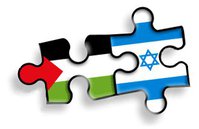
Federation
of Israel-Palestine
تحالف فلسطين-إسرائيل
ברית ישראל-פלסטין
|
The Federation of Israel-Palestine Plan published and presented at The Best Plans project, in 2011.
The 3-4-2 in 1 Federation of Israel-Palestine
Three states for two peoples in one land
Our conflict is
unique
Never in history
a people claimed to return from Exile - where it lived as a stranger in
autonomous communities, ruled everywhere in the world by the same rabbinic laws
- to its historical land after 2000 years, while an other people claims the
land as its one, because he is the native, the indigenous people born from this
same land!
A unique
conflict needs a unique solution: a special kind of federation
Three principles
Our conflict
will be solved if we follow these three principles:
- recognition by
each side of the other as an independent people, a nation which as a right of
self-determination in the same Land.
- recognition by
each people of the historical right of return of the other people
- recognition of
one – and only one - common Sovereign on the undivided Land: the rule of Law
and universal Justice
I. The model
proposed
Concrete
political realization
How do we
achieve a concrete political realization of those principles?
We need two
states because we are two peoples, we are two nations, and we don't want to
loose our independence and our identity, we don't want to merge into one
nation.
Jewish identity,
in particular, limits absorption of others and resists to assimilation to
others. This his connected to its long survival in exile as a minority among
host peoples.
But we need one
state because we have one only land. We can't be separated:
-
because we are geographically so
mixed with each other
-
because we can't have two
sovereignties and two national armies face to face in this small country
That is why we
have reached the conclusion that the only solution left is nor separating nor
merging, but entering a unique kind of Federal Alliance
This unique
conflict needs a unique solution, with a unique structure:
The formula is:
not a One State
The
specific logic for this federation is simple: if you want to have two
independent nations in the same federal framework, the federation has to be
supranational; if you want to eliminate the demographic problem without
territorial partition, and without the risk of a future secession, you need to
separate national identity from territory. This is achieved by having
national laws applying only on individual citizens or communities, and
not on the territory. So the national identity will be formed by Law, not
by Land.
This non-territorial
character of the national states will help preventing any future nationalist
fight for the Land.
One
supranational federation
The federal
state is defined as supranational. What does it means? It means that it is
sovereign and arching over several nations. It means that the territory belongs
to the Federation, not to the nation-states.
Europe is a kind
of supranational confederation; USSR
Why the federal
state should be supranational? To prevent the two federated national states
being forced to become one nation.
The federal
constitution will protect the independence of each people; a just sharing of
natural resources between both constituent people and the full respect of the
Human Rights by the different Authorities, mutual right of Return, a joint
defense of outer borders by the federal army, etc...
Abrahamic
traditions
The EU and USSR
Because of our
common abrahamic traditions. Our federal model is a secular translation of the
common Abrahamic beliefs of Judaism and Islam: the real sovereign is the
Sovereign of the World, to him only the Land belongs – He gives it to who
pleases Him.
The EU and USSR
Federal
institutions of government
The
federal state includes a federal joint government and parliament. They are
elected by all the federal citizens in order for them to be committed to the
general interest of the federation.
Each
nation has a right of veto. An upper chamber of lords arbitrate in case of stalemate.
Small
ethnic groups or communities not affiliated with the two main Nations could
send a few delegates to the Federal Parliament in order for their voice to be
heard.
Ministers
and deputy ministers, the Prime Minister and the President, could rotate every
two years in order to allow a fair representation of Israelis and
Palestinians.
Will
fall under the responsibility of the federal government all domains managed as
a whole, like: foreign policy, defense, environment, general means of
communication, energy and information networks.
Foreign
policy should have to be neutral, and both national states shall be forbidden
to enter foreign alliances.
Two
non-territorial national states
The two national
states are non-territorial. What does it means? It means that the states of Israel Palestine
Every citizen
enjoy personal autonomy; so one may live wherever he wants, and yet vote for
his own national parliament
Why the national
states should be non-territorial?
-
to allow freedom of movement and
residency
-
to prevent any future risk of
territorial conflict or partition
The national
parliaments, governments and institutions of both people rule on their national
citizens in autonomous regional districts.
National
institutions of government
They
include: two national parliaments, two national governments.
Regional and
local councils
Each
national state shall be largely decentralized, itself a federation of
communities and districts which enjoy broad juridical, judicial and
administrative autonomy, according to principles of communal democracy and
democratic self-government.
No more
demographic problem:
In a unitary
state, there is a demographical problem because peoples are forced to fuse into
only one nation. But here are living two nations, and we have to solve this
problem.
The federal
parliament, government and institutions will be paritary, 50%-50% Jewish/Arab,
whatever the demography, so the demographic problem will have disappeared.
Citizenship
Each
inhabitant will have a double citizenship, a national one - Palestinian or
Israeli - and a federal one, common to all, like in the European model: his own
national citizenship which guarantees his national identity, and a common
federal citizenship which guarantees equality and on the basis of the universal
principles of Law and Justice.
Every
federal citizen shall swear loyalty to the constitutional State, which means
that he recognizes the other people's national independence.
Mixed
couples could choose to which Nation-State they want to be attached. There
could be a possibility to have federal citizenship alone, to be a kind of world
citizen before time.
Right of Return
The
Right of Return of Palestinian refugees and the Israeli Law of Return are
implemented by the respective national governments in the administrative
districts under their jurisdiction. They are a fundamental part of the
Constitution and shall be both fully respected.
The
national governments and communal administrations absorbing their nationals and
members shall apply their own selection criteria, free of any federal control,
and shall be responsible for their proper integration in the regional districts
under their responsibility.
Once
granted national citizenship, the immigrant shall receive its federal
citizenship after a ceremonial swearing of allegiance to the Covenant.
Compensations for lost of property
Palestinians
and Jews who have been evicted from their land, home, or any property because
of the conflict, shall be compensated and will have pre-emption rights in case
their property is being sold or rented.
The
refugee camps shall be dismantled or rehabilitated. UNRWA administration will
be terminated.
Old
destroyed Palestinian villages could be rebuilt – when possible
Settlements
Existing
settlements will remain, provided suitable compensation to private owners. New
Palestinian and Israeli settlements could be created in their respective
districts by their own national government, without any federal control.
In
open federal districts could be built new Jewish, Palestinian or mixed
settlements on a fair basis by decision of the proper federal authorities.
Jerusalem/Al-Quds will remain
opened and united as a distinct federal district, capital of Israel-Palestine
and capital of the two nation-states. It will be placed under the Federal
government exclusively.
Jews
and Arabs will be free to live anywhere in the town.
The
federal municipality will be decentralized; it will coordinate the activities
of various sub-municipalities and will harmonize their development.
Mixed towns and
lands not included in the national districts will be like Jerusalem, federal
districts directly under federal jurisdiction, a cement of unity.
Security: joint federal
Forces of Defense and Federal Police protect the Federation from external foes
and internal extremists.
The direction of the federal Army will be transferred progressively from Israeli command to a joint paritary one, as soon as a comprehensive peace with neighboring Arab and Muslim states will be signed.
The direction of the federal Army will be transferred progressively from Israeli command to a joint paritary one, as soon as a comprehensive peace with neighboring Arab and Muslim states will be signed.
Jurisdictions
A
Federal Constitutional Court would take decisions as to the conformity of the
federal laws with the Constitution, and as to the constitutionality and
legality of other regulations and general and self-management acts. It would
also be called upon to resolve disputes between the Federation and
other territorial units, in particular, conflicts of jurisdiction as between
the courts and other bodies of territorial units
The
nation-states and their various communities will enjoy judicial autonomy.
Rabbinic
and sharia' tribunals shall have extended and recognized jurisdiction on the
community who choose to abide by their legislation.
Economy
Both
Israeli and Palestinian economies will be integrated and will complete each
other; total freedom of movement for workers and goods shall be guarantied.
The
federation shall guaranty of a decent minimum subsistence to every inhabitant. A
special tax shall be consecrated to fight poverty.
The
Federation shall operate one federal Central Bank and shall have a common
currency.
Health and Social
protection
Health,
social protection, and every matter of human rights in general shall be the
responsibility of the federal state.
The
Federation will provide a federal health system for all.
Culture and
Education
Cultural
and educational independence are provided for each nation and community.
A
common core program of education shall include the study of the language and
culture of the other nation, English and Sciences.
Official
languages: Arabic for the Palestinian state; Hebrew for the
Palestinian state, and both Arabic and Hebrew shall be the Official languages
of the Federation.
II. The road map
to get there
Extremists
are neutralized: The
Federation is the final status itself.
-
no need for negotiations about dividing the land, dividing Jerusalem, refugees,
security, settlements, water, etc.
-
no dependence on mediation by any international facilitator.
No negotiations means that no one will have the opportunity to torpedo
them.
We the people at
the bottom will decide by free elections, and that is enough. Reliance upon a
democratic process empowers the moderate majority; extremists were the main obstacle to the Two-State Solution, now
they are out of the game.
An answer to
religious fundamentalism:
The Supranational Federation will attract moderate religious of both sides, which will lead to a weakening of the extremists. Supranational Sovereignty will be understood by believers as a starting recognition of the Sovereignty of God, the Sovereign of the World, رب العلمين, ריבונו של עולם. Federal ownership of the Land and Jerusalem will mean: the Land belongs to our common Lord.
The Supranational Federation will attract moderate religious of both sides, which will lead to a weakening of the extremists. Supranational Sovereignty will be understood by believers as a starting recognition of the Sovereignty of God, the Sovereign of the World, رب العلمين, ריבונו של עולם. Federal ownership of the Land and Jerusalem will mean: the Land belongs to our common Lord.
The personal
autonomy, which results from national law applying on the citizens themselves
and not on territory is similar to our traditional Halacha and Sharia'. They
will have the same structure – non-territoriality and an external Sovereign -
but not the same content. The gap between secular law of the state and
religious law will be narrowed.
Having to vote
for the Federation will put believer to a test: do you really believe in the
One God, or are you a Nationalist disguised in religious? We have freed Religion
from Nationalism! Their connection was the main obstacle to any political
solution.
Flexible
implementation
The
implementation of the federal structure is flexible, and can adapt itself to
different scenarios in case a two-state solution or a one-state solution is
first implemented, willingly or not.
The
federal solution does not contradict the two-state solution: the federation
would appear never the less to be necessary in order to allow the borders
between the two countries to stay opened, and its ability to institutionalize
cooperation would be more than welcome.
It
is true whether Israel would proceed to a unilateral withdrawal from the West
Bank, or a negotiated solution would be implemented first -against all odds -
in the narrow time window still left.
In
case of a single unitary state - probably resulting from an Israeli annexation
of the Occupied Territories - the federal structure will allow to solve the
demographic and identity problem, while granting administrative autonomy to
both peoples on an equal basis, transforming occupation in a
true cooperation.
Movement of
Palestinian and Israeli Activists for the Federal State
First we have to
develop our movement of Activists for the Federal State of Israel-Palestine (www.pa-il.org) into a large
association with several branches in Israel, Gaza, and in the West-Bank.
The movement acts according to the same
constitutional principles like the Federation itself - Respect, Reciprocity and
Justice. The spirit of respectful cooperation in view of the same aim that
prevails in this group will be pivotal in building confidence between
the two peoples.
This process can
be implemented slowly, with your help, step by step: individual after
individual, community after community, Israeli Arabs and Jews, Palestinians
from East Jerusalem, the WB and Gaza, will sign the Federal Covenant Charter.
The federal alliance will grow progressively, on a willing basis.
Internationals from all over the world will join to as supporting members. They
already joined our two growing Facebook groups: http://www.facebook.com/groups/federip/ and http://www.facebook.com/groups/israelpalestine/
Israeli-Palestinian
Federalist Party
Then we will
create a common Federalist Party, with Israeli and Palestinian branches. It
will run for municipal elections for "Jerusalem our Federal capital",
then for national elections in Israel and in Palestine.
As soon as there
is a majority for the Party, the elections or a referendum will have performed
a quiet revolution.
In case that
such a Federalist Party, or free elections, will not be allowed, a popular
revolution would have to do the change. It would be our Israeli-Palestinian
Spring!
Like the
conflict itself, this solution has no real precedent, but will become a living
reality… with your help!
Subscribe to:
Posts (Atom)